Here is a list of things you can do or see in Athens that are very local but you will rarely find in tourist guides. I wouldn’t trade them with visiting the Acropolis of course, but we will cross that of your list together, so, these ideas come on top of that:
1. Laiki Agora (Λαϊκή Αγορά /Laikī́ Agorá/)
“Agora” is a market as you may know, and “Laiki” means “of common people”.
It is a street market, happening in all neighborhoods in all cities all over Greece, once per week. An ubiquitous part of Greek life.
In my neighborhood it happens every Tuesday. There will be one near you if you spend a few days in Athens.
Here is a site to find out where you can find a Laiki Agora near you. Use Google Translate and pick the day of the week you want to go. No English version. Not very touristy as I said.
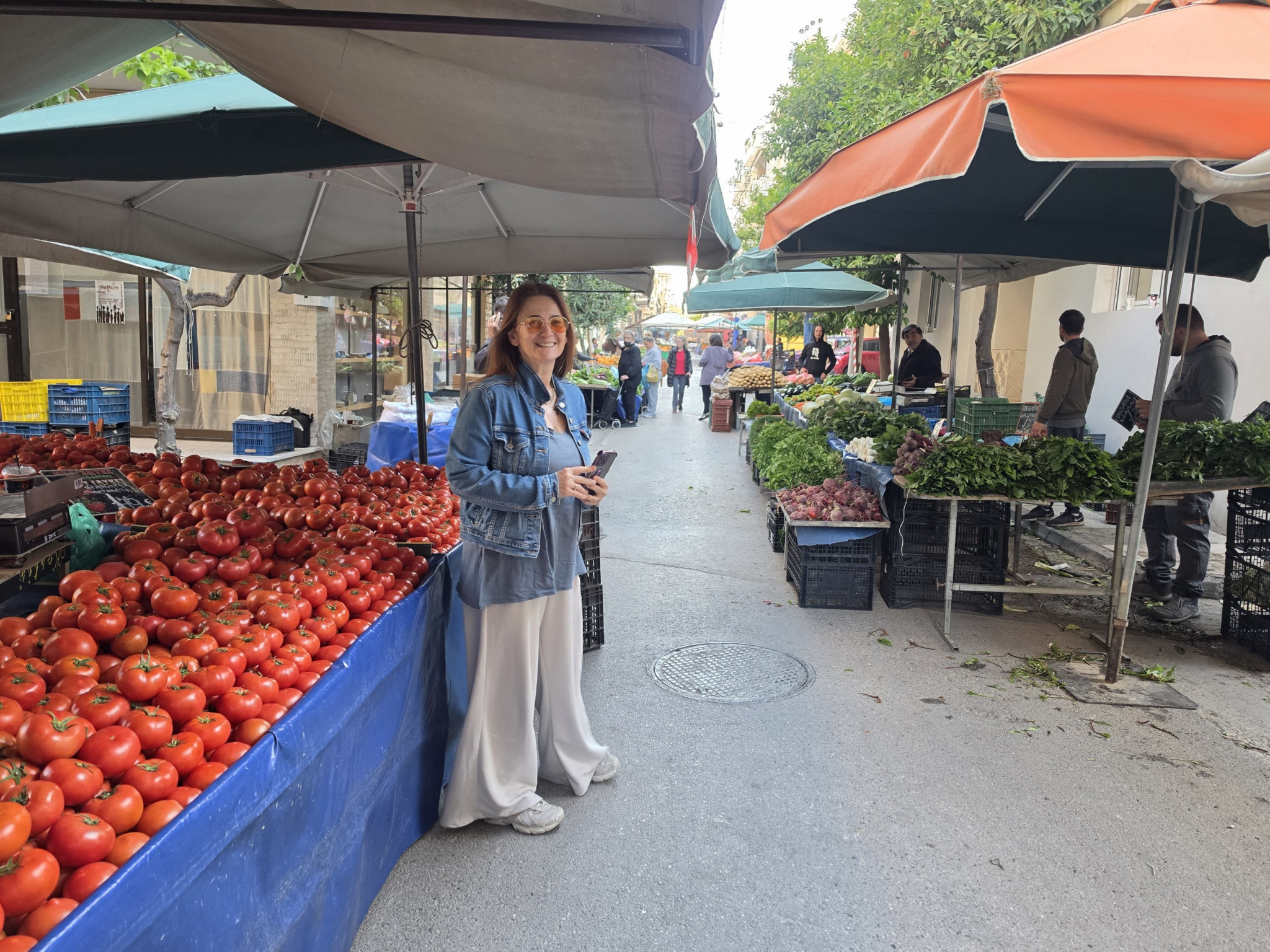
This is a photo from our Laiki Agora, taken this morning. We have a fairly small Laiki Agora compared to other neighborhoods.
As you may notice, it is *not* a middle-Eastern kind of bazaar with hustlers trying to sell you stuff. Laiki Agora is mainly for buying fresh and reasonably priced vegetables, fruits, fish. Producers around cities drive into the city, setup shop and sell to the urban population what they produce. It can be loud sometimes as they often sing or tell loud jokes or tease each other, to attract buyer’s attention. This part you can not fully experience and it is a pity, as it is an open air performance of sorts. Very entertaining. It is where the neighborhood meets, people greet each other, exchange news, make plans to meet later for a coffee. You will love it.
2. Bouzoukia (Μπουζούκια / Mpouzoúkia/ )
I can only describe it as “Greek Clubbing”.
I mean, we have our “proper” clubs with western dance music and people standing holding a drink, but if you want to see how Greeks *really* are having fun you have to visit one of those “Greek Clubs”. Your mileage may vary, but, at least for those Greeks who go, it is a Dionysian experience.
The music is mainly Greek, and would definitely sound Oriental to you. The rythms also, some are more western but most are Greek, meaning not what you are used to.
There is always live music. No DJs. The “big names” of Greek music perform live to their fans, but it is *not* a concert. Let’s take a look:
Throwing flowers to the singer is very common, it is an expresion of appreciation (but also a flex of wealth). It can go to far some times :):
But this is an extreme.
People dance, sing, flirt (by throwing flowers to each other), reach ecstasy.
Again, not being used to this kind of music may not allow you have the full experience, but also it would be a miss not to get to see this quite unique format of nightlife. Just people-watching worths it.
You can book a table to be closer to the stage (costly) or you can just enter “for the bar”, and be standing, but in busy nights at most popular venues, you may be denied entrance. If you are interested, I can guide you (I am not a regular, to be clear).
3. Church (Εκκλησία / Ekklēsia/)
To atone for your sins at Bouzoukia, or just because it would also be a miss not to, I strongly advise to visit a Greek Orthodox Church preferably during mass.
I am not a believer myself and I rarely go to church, but I acknowledge the very important role that religion has in Greek life, and this will be one of your rare chances to see, hear and smell what the Eastern Orthodox Christian practice is like.
I have been in Greek Orthodox churches in Australia, Europe and US and they are not even close to the real thing.
What to expect:
-Byzantine wall paintings of Saints, Jesus, the Apostols, Virgin Mary, Angels (some biblically accurate). Depictions of the miracles and the deeds of Jesus. Heavy chanteliers, vigil lights. Heavy sculptured wooden iconostases
-The characteristic smell of incense
-Chanting in the Byzantine modes. This I think is the most particularly interesting part especially to the musically trained ear. What you will here will sound… weird, but in an interesting, mystical sense. In contrast to the western music, where the intervals between subsequent notes are fixed (the ratio of frequences is 2^(1/12), so that after climbing 12 semitones you arrive at double the frequency of the note you started from – you can also see this simple geometric arrangement at the frets of wired instruments like the guitar or the bass), in Byzantine music, these intervals are not constant – depends on the mode and whether you are going up or down. Takes special training to be able to sing properly the orthodox christian hymns, even if you are a proficient musician by western standards (I certainly can not do it). Apart from the musical part, another extrordinary feat is that you will listen the gospels being read from the original text, at the original language that they were written on, the Common Greek (Κοινή Ελληνική). Greek was the lingua franca during the 1st century BC, and it was natural for people who wanted to spread a new religion to write in that language. Letters of Paul were written in Greek too. The Greek Orthodox church has chosen to use the original text in its services(in contrast the Greek Catholic church uses contemporary Greek).
An example:
The language of the gospels , Common Greek is a truly elegant beautiful language, but most contemporary Greek people can only pick a word here and there and do not understand what is being said. Still you will notice that the are not detached from the ritual but rather connected to what is happening and are experiencing it on a different level. Extrordinary indeed.
In Saronida there is one Church, on the top of a hill, that on the outside seems rather modern but inside is very proper. If there is interest, we can go to the mass Sunday morning before the 4th round, around 8:45. It is a steep walk in some parts (that leads to an amazing view) so I can drive a few people there. Come talk to my about this during the tοurnament. If you plan to visit this or any other Church, be modestly dressed.
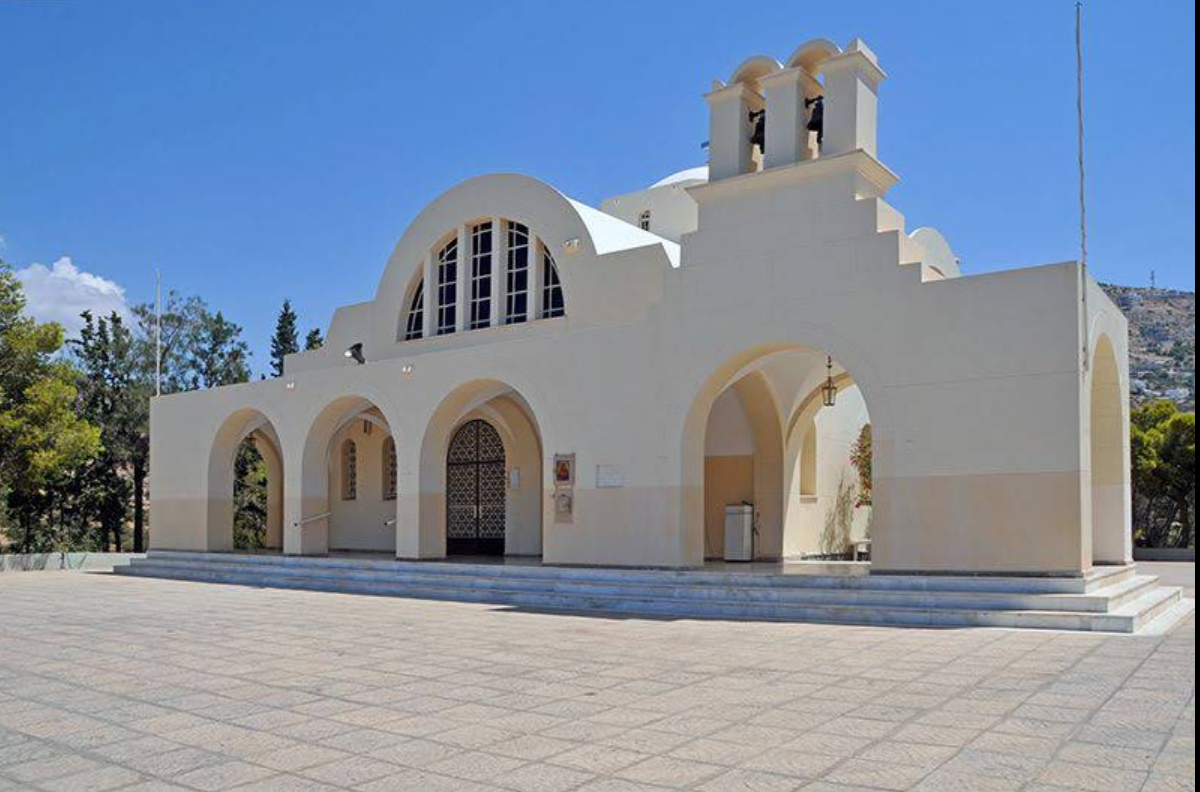
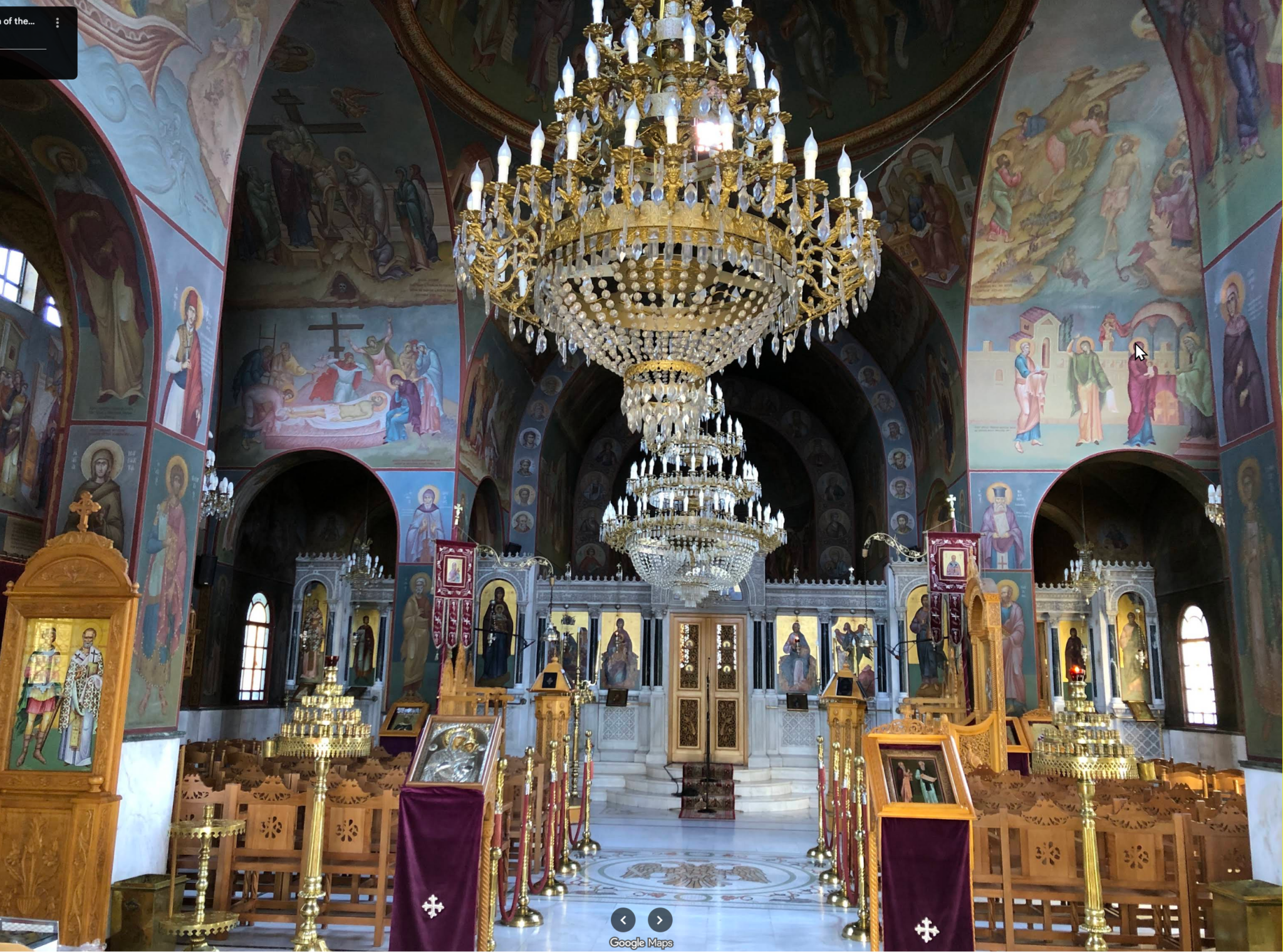
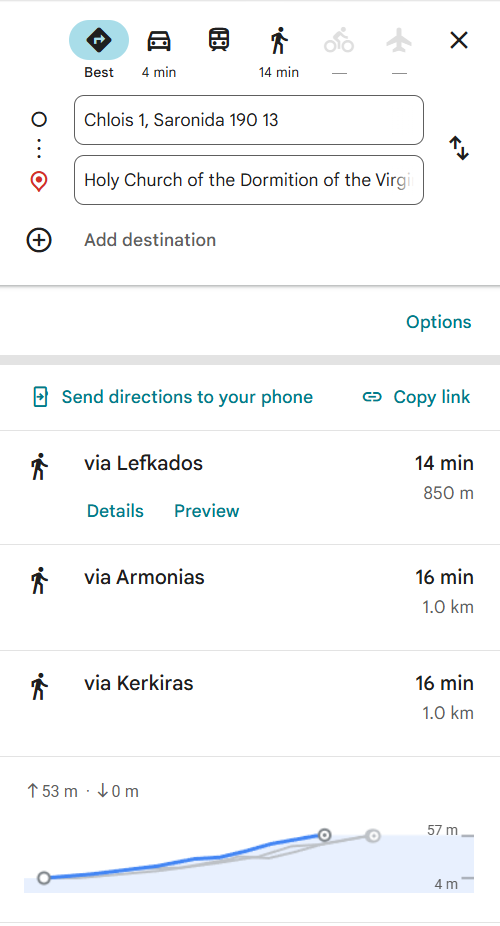
It is 14 mins walk from the venue (and 53 meters vertical ascent).
4. Open Air Cinemas (Θερινά Σινεμά / Theriná Sinemá /)
If you are to try only one of these recommendations, then this is the one I would suggest.
Almost uniquely a Greek thing, Open Air Cinemas are the way to experience the Greek summer!
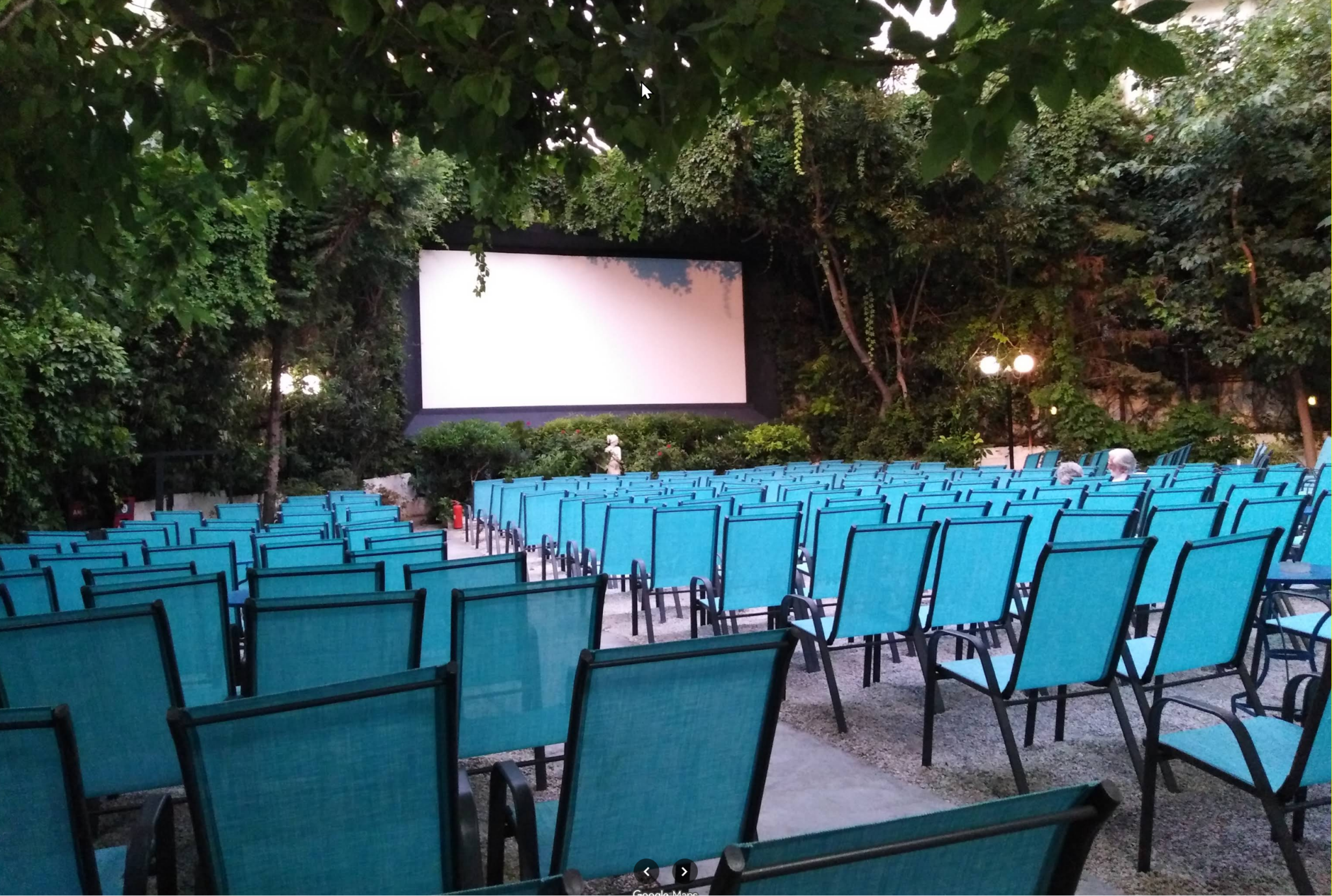
These cinemas feature anything from new releases to all-time classics.
Cinema (and TV) in Greece is never dubbed (which partly explains the much better proficiency of Greeks in English, as compared, say, to the Italians), so you can watch movies in their original language and given that most are in English, they will be very accessible.
It is a relaxed environment. Consumption of drinks and snacks is not only allowed but encouraged, as evident by the smal table that exists between every 2 seats.
Saronida is an outlier in the Open Air Cinema space, featuring four (4!) venues, but it is not certain that will be open by the time of the WDC 🙁
In downtown Athens though there are many, some internationally acclaimed. My picks would be:
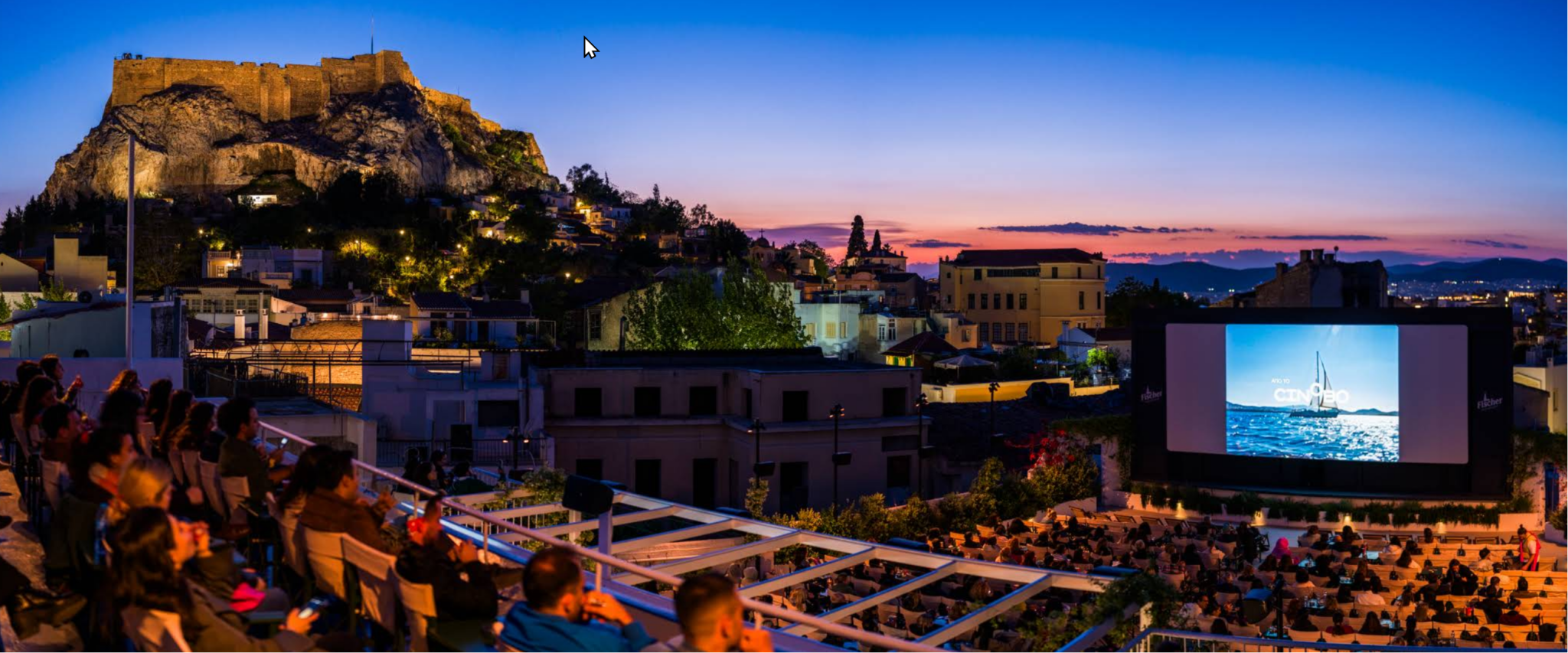
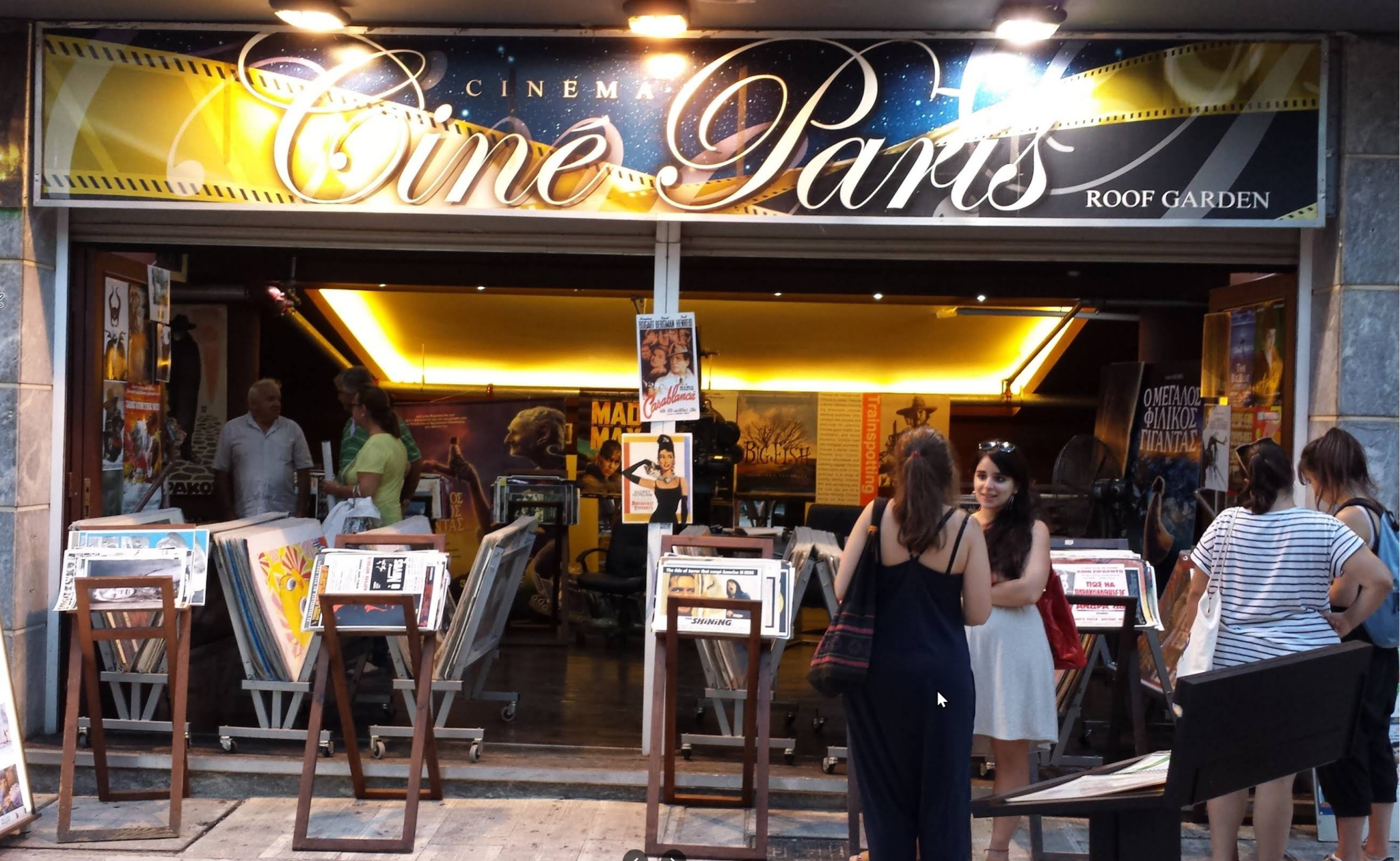
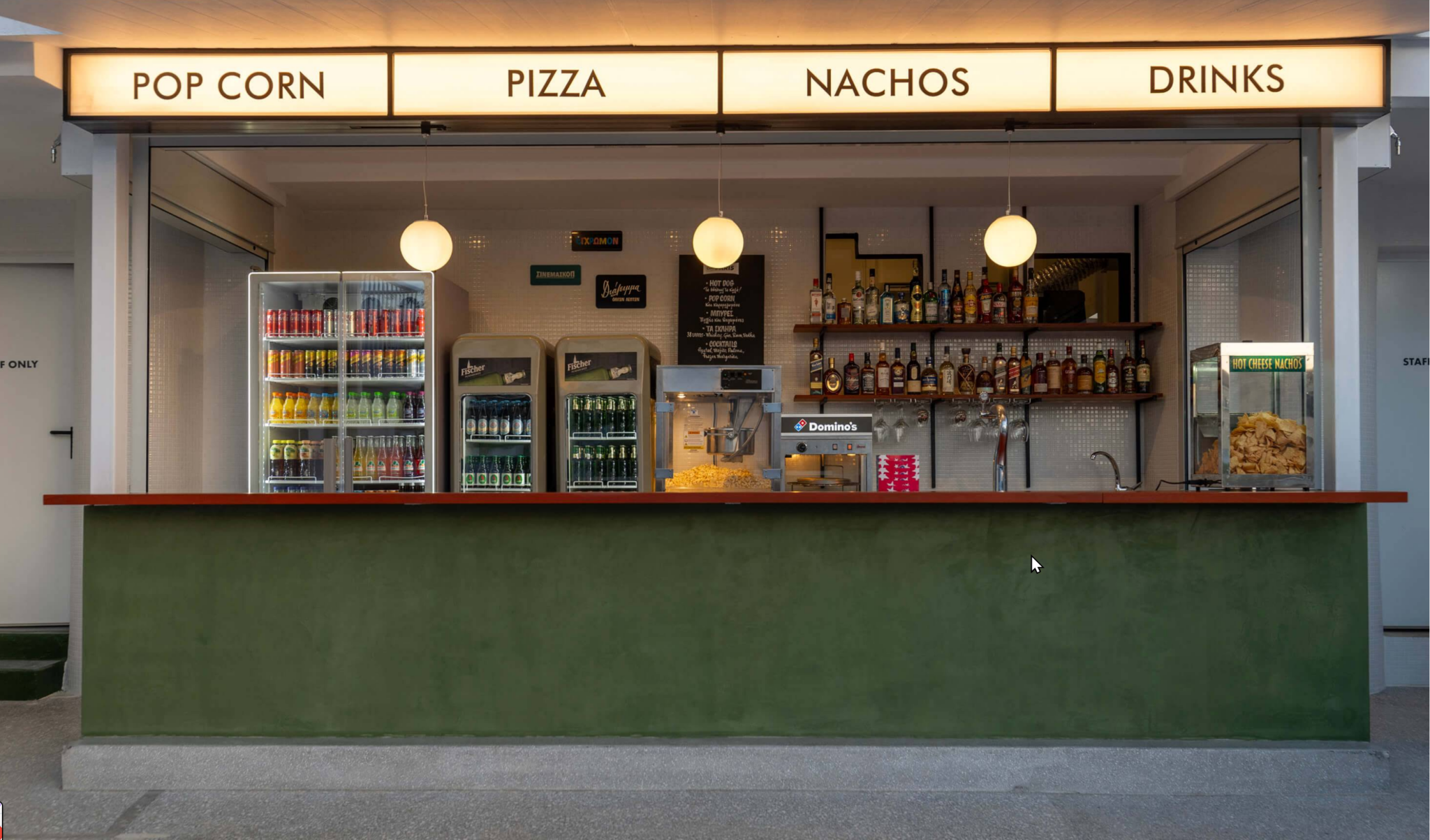
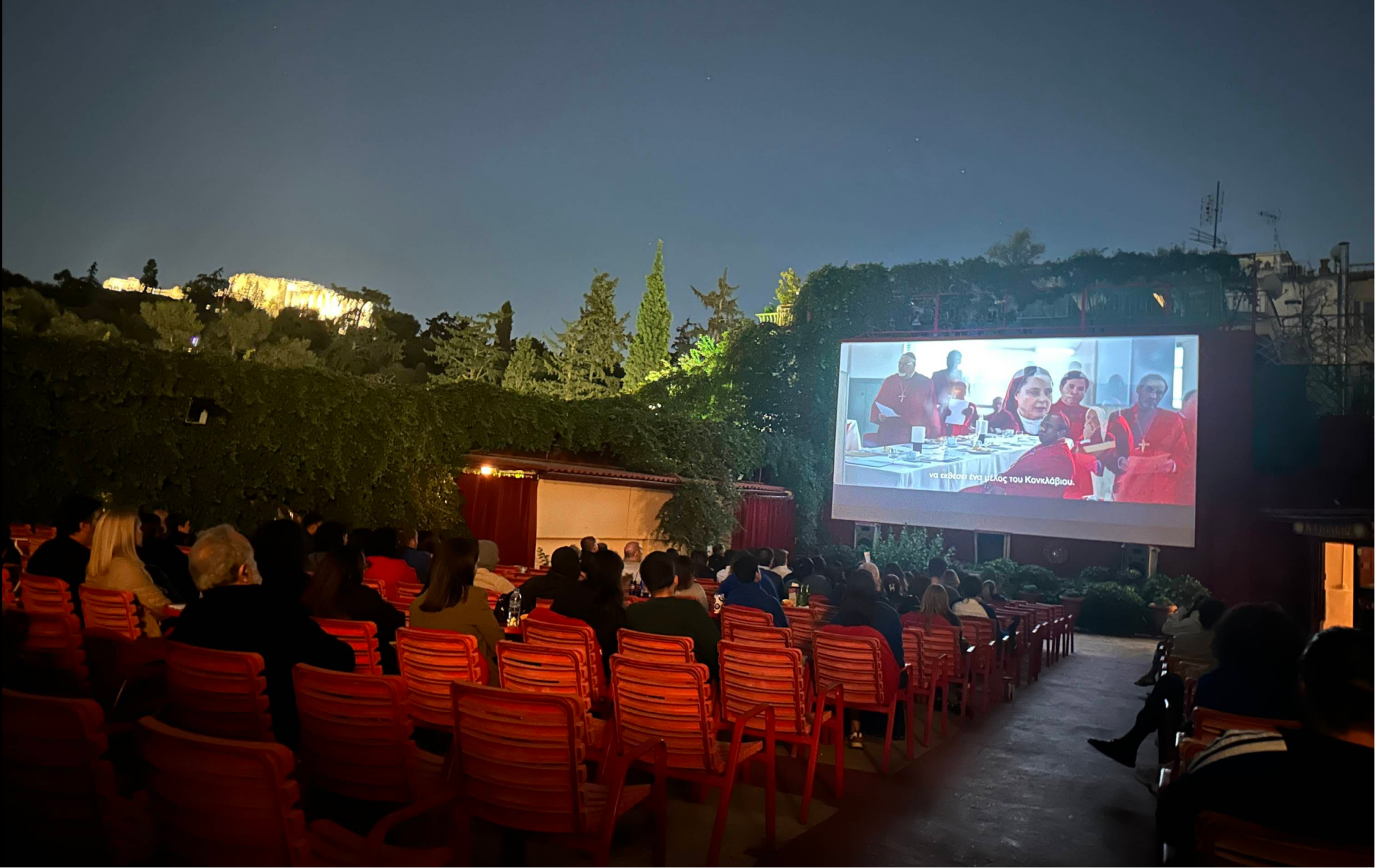
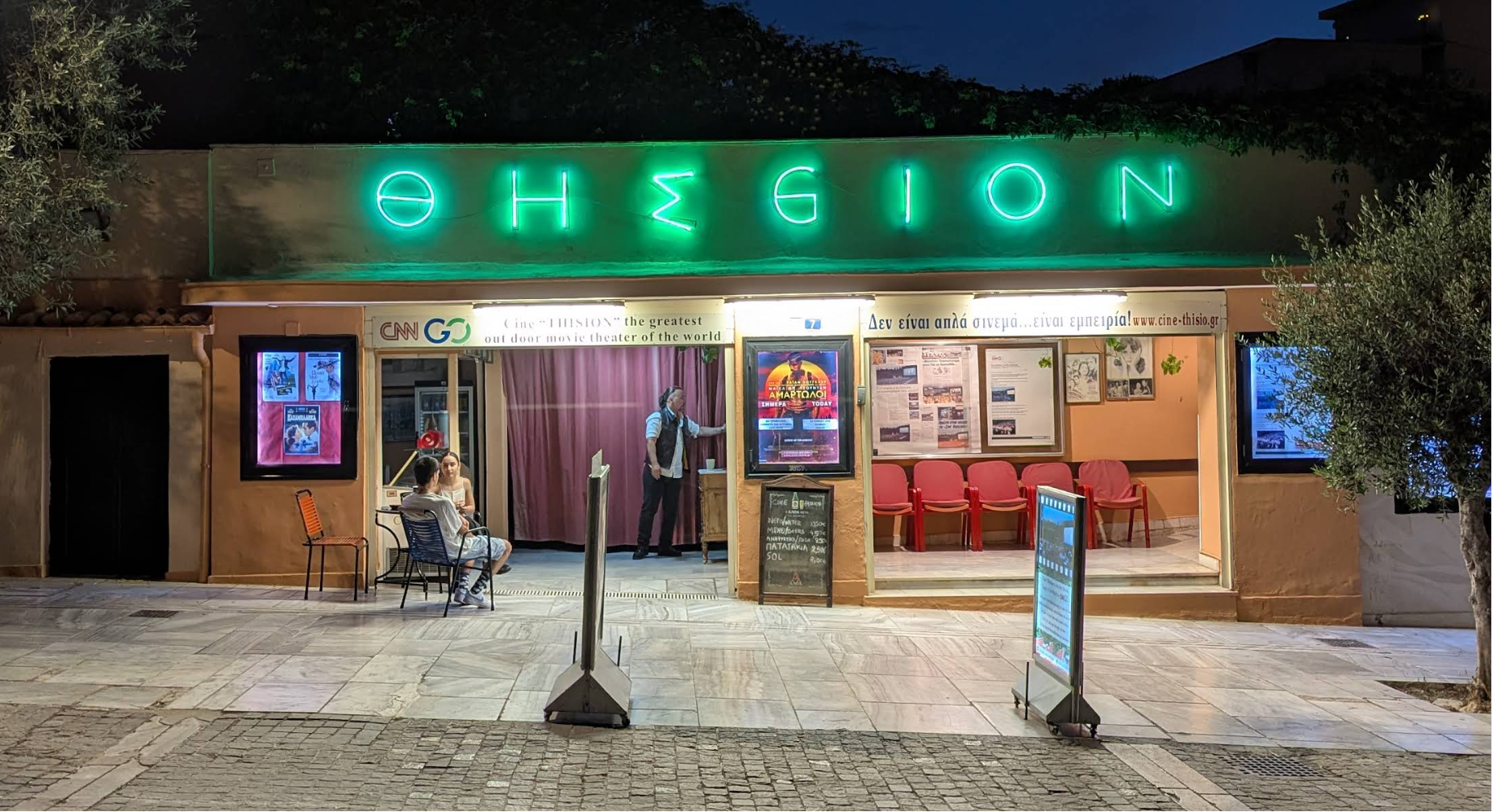
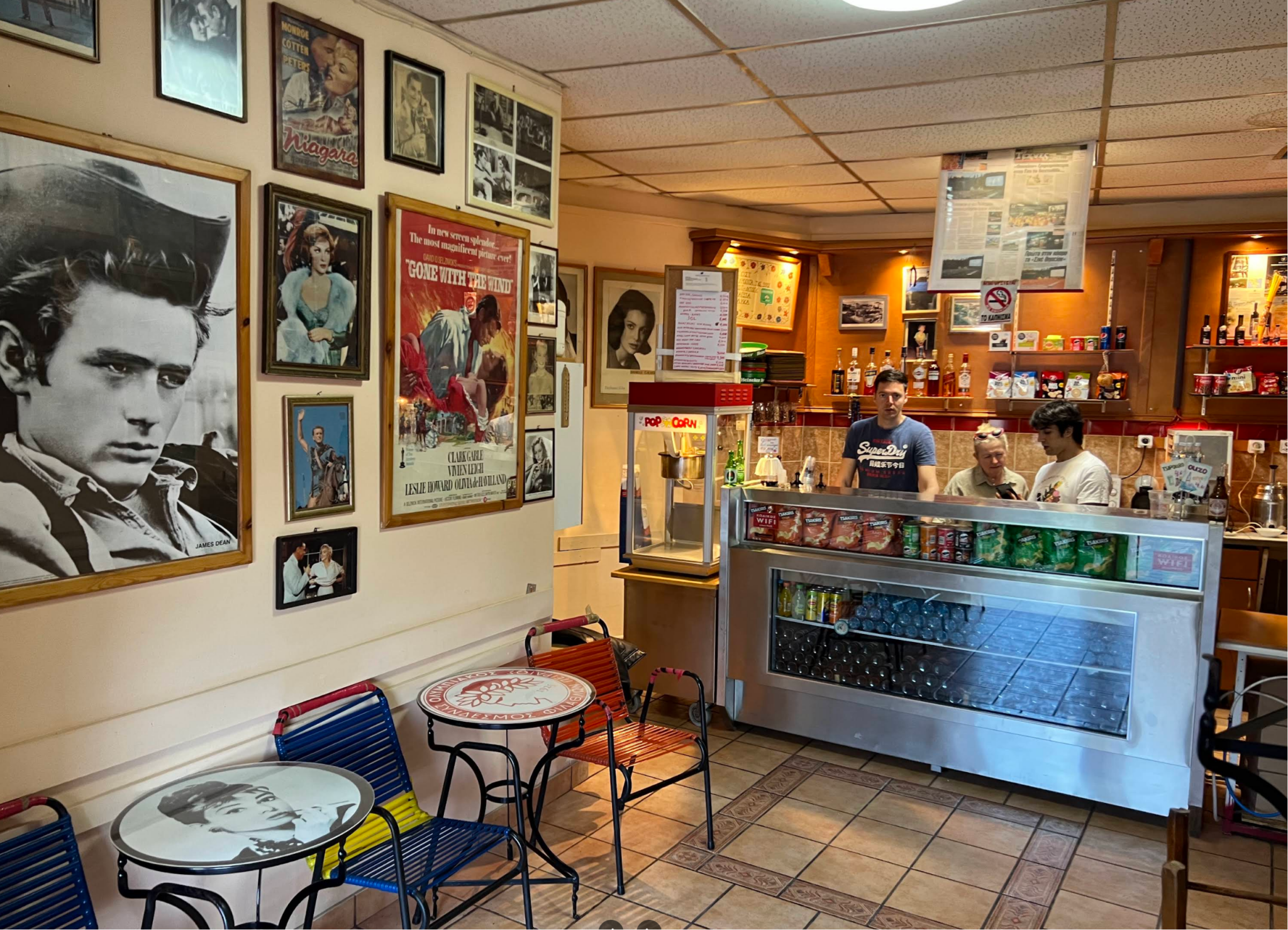
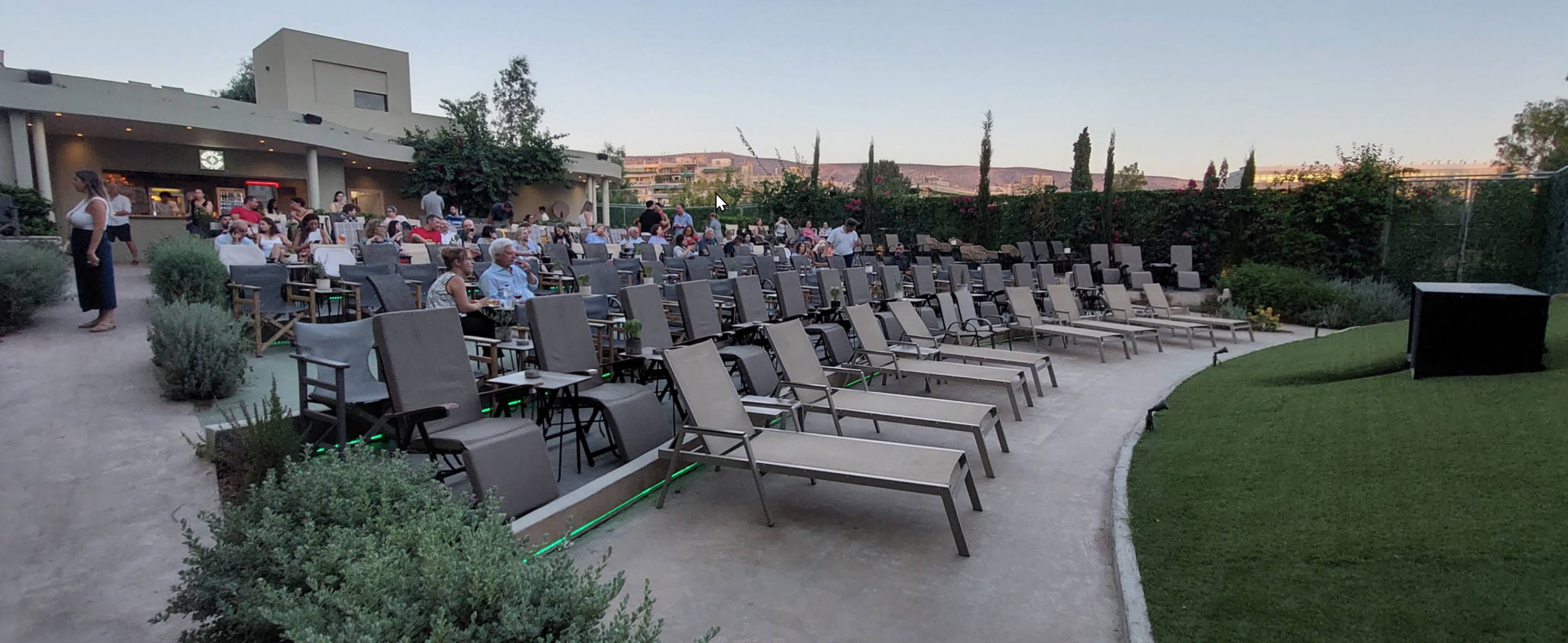
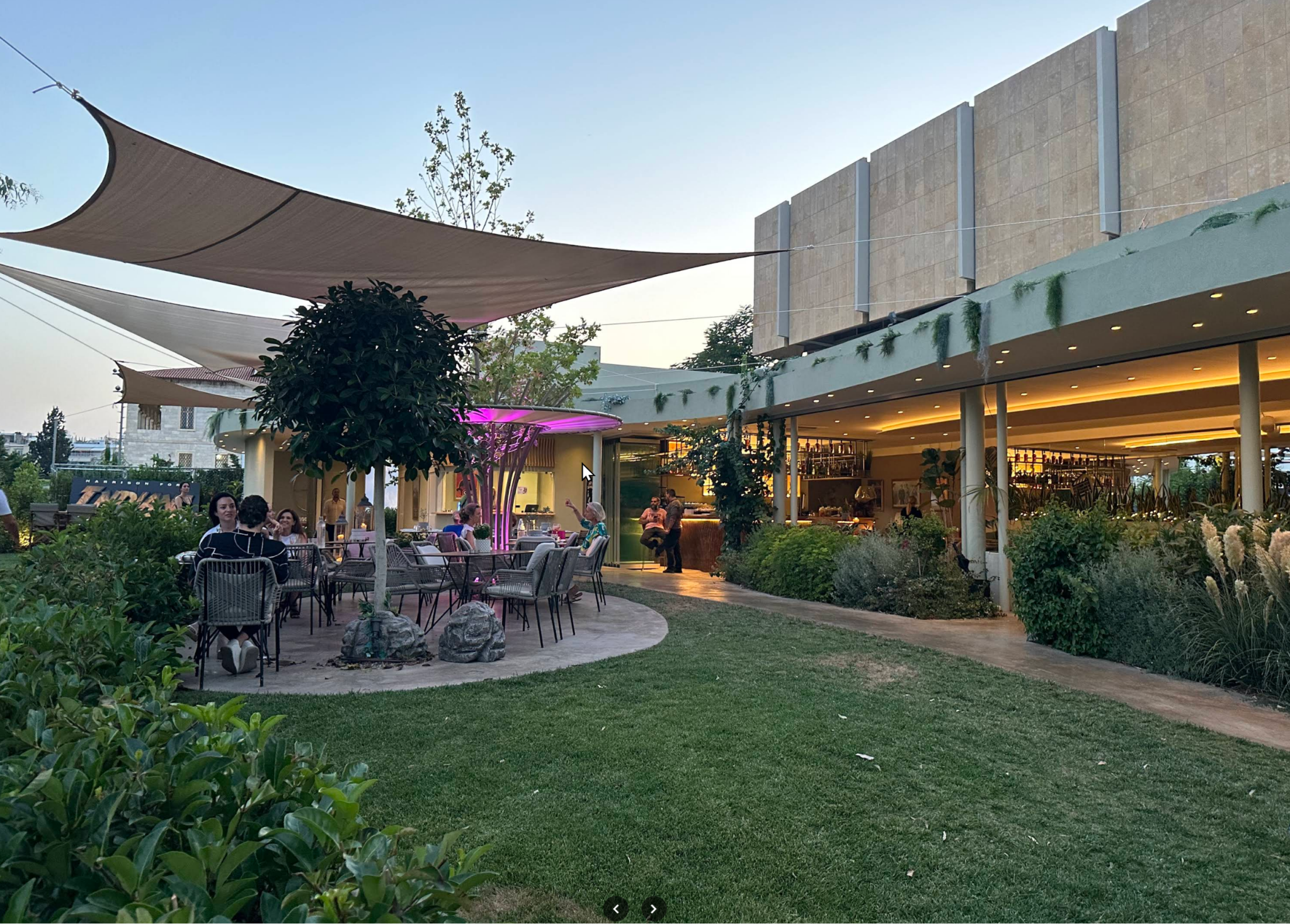
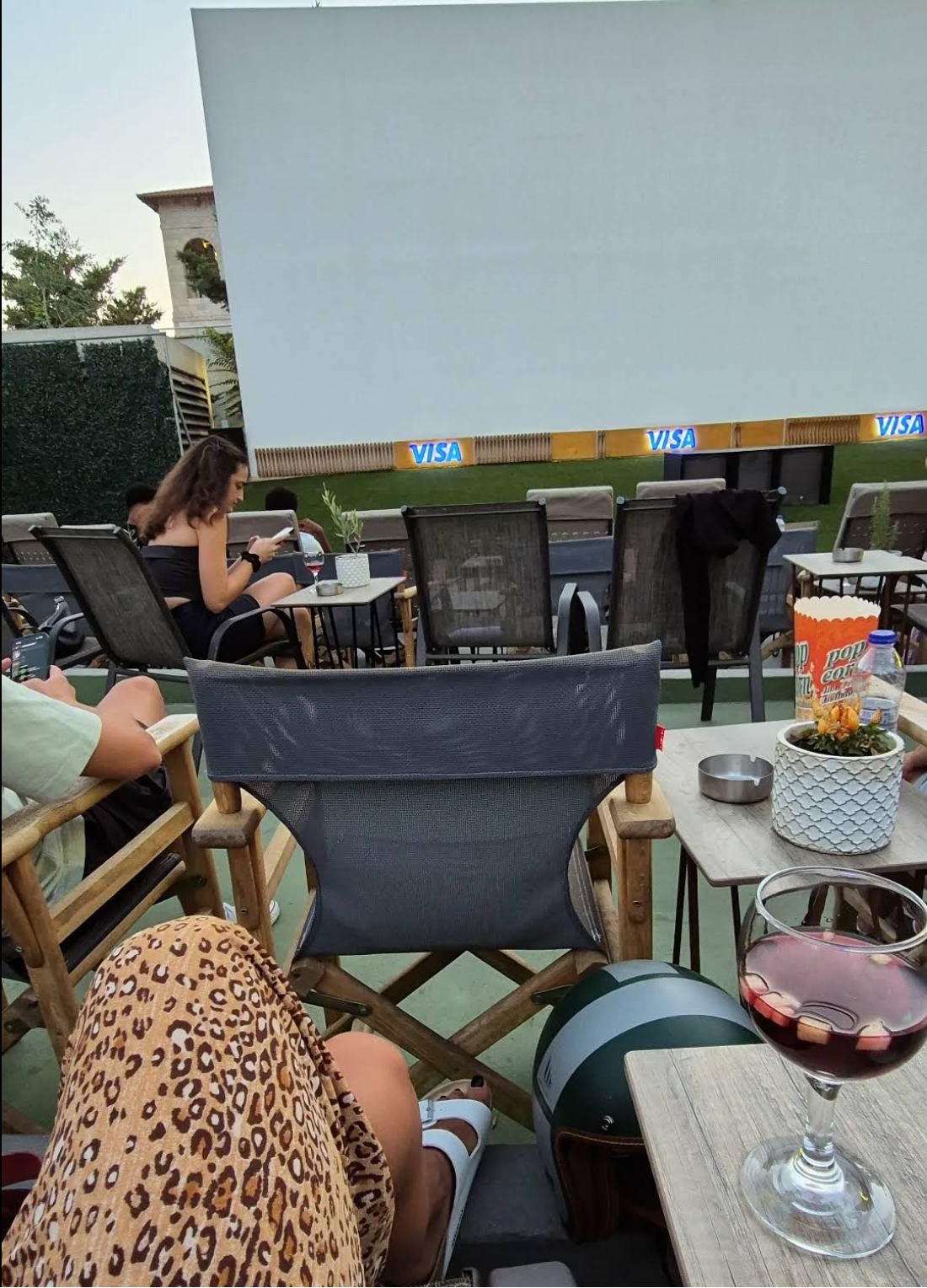
You can read all about those cinemas all over the internet.
Check out what is screened where, here! (google translate it)
(pro tip: you better carry an anti-mosquito lotion!)
5. Special Plug: Athens Diplomacy Club’s home turf: Crystal Lotus!
If you are a die hard board game geek and can not live without some play for a few days, visit our Club’s home turf, the Crystal Lotus!
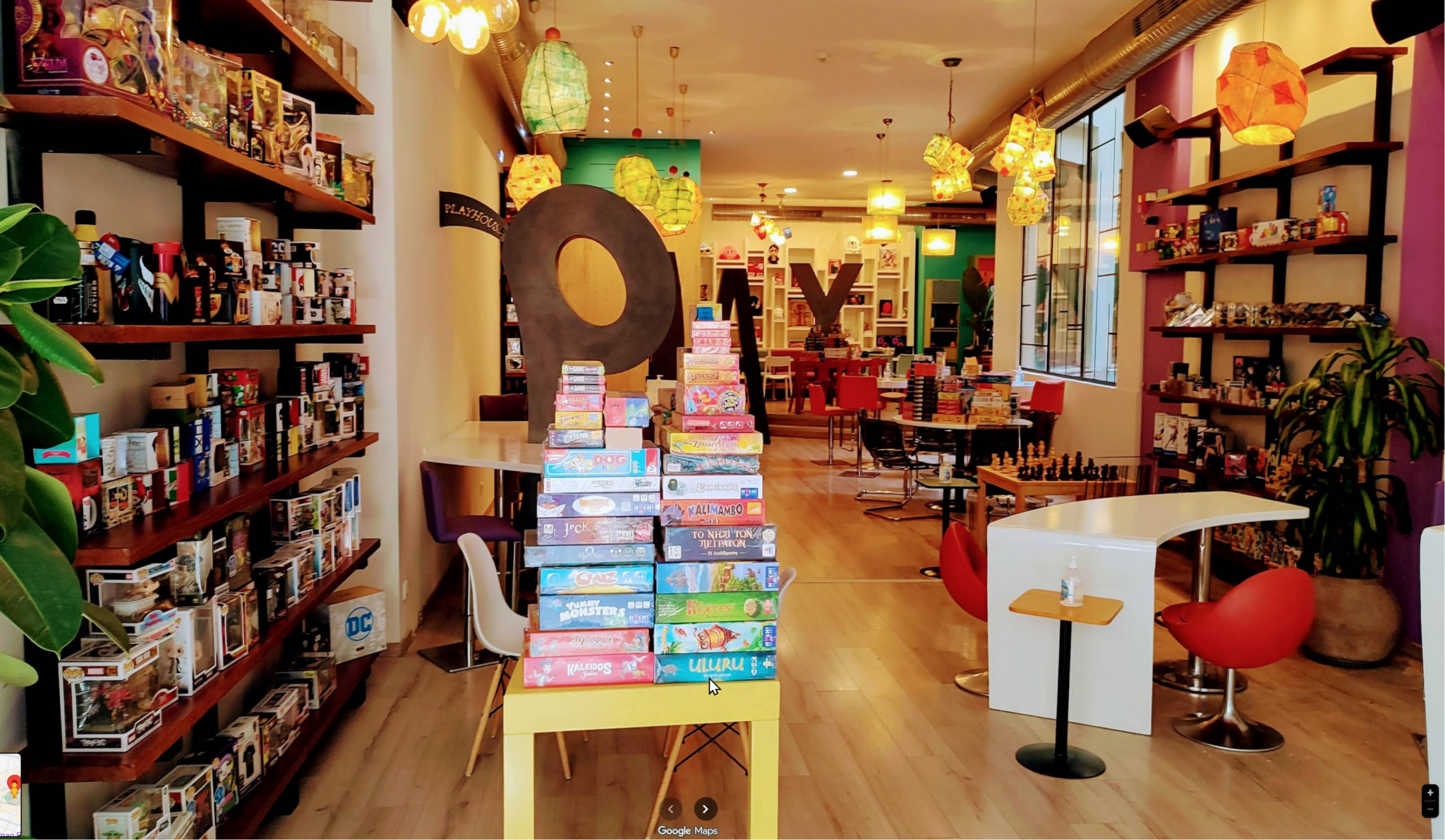
It is a gorgeous, welcoming place right in the heart of the historic center of Athens, a few steps from the very lively Agias Irinis Sq! Say “hi” from the Athens Diplomacy Club if you go, to receive special treatment 🙂
More info: