
As with my previous guide about very local, non-touristy things to do in Athens, this guide will focus on the non-obvious, not-popular, lesser known but delicious food that you can try in Greece. Presented in no particular order. These are my personal favorites and your mileage may vary:
- Koulouri (Κουλούρι)
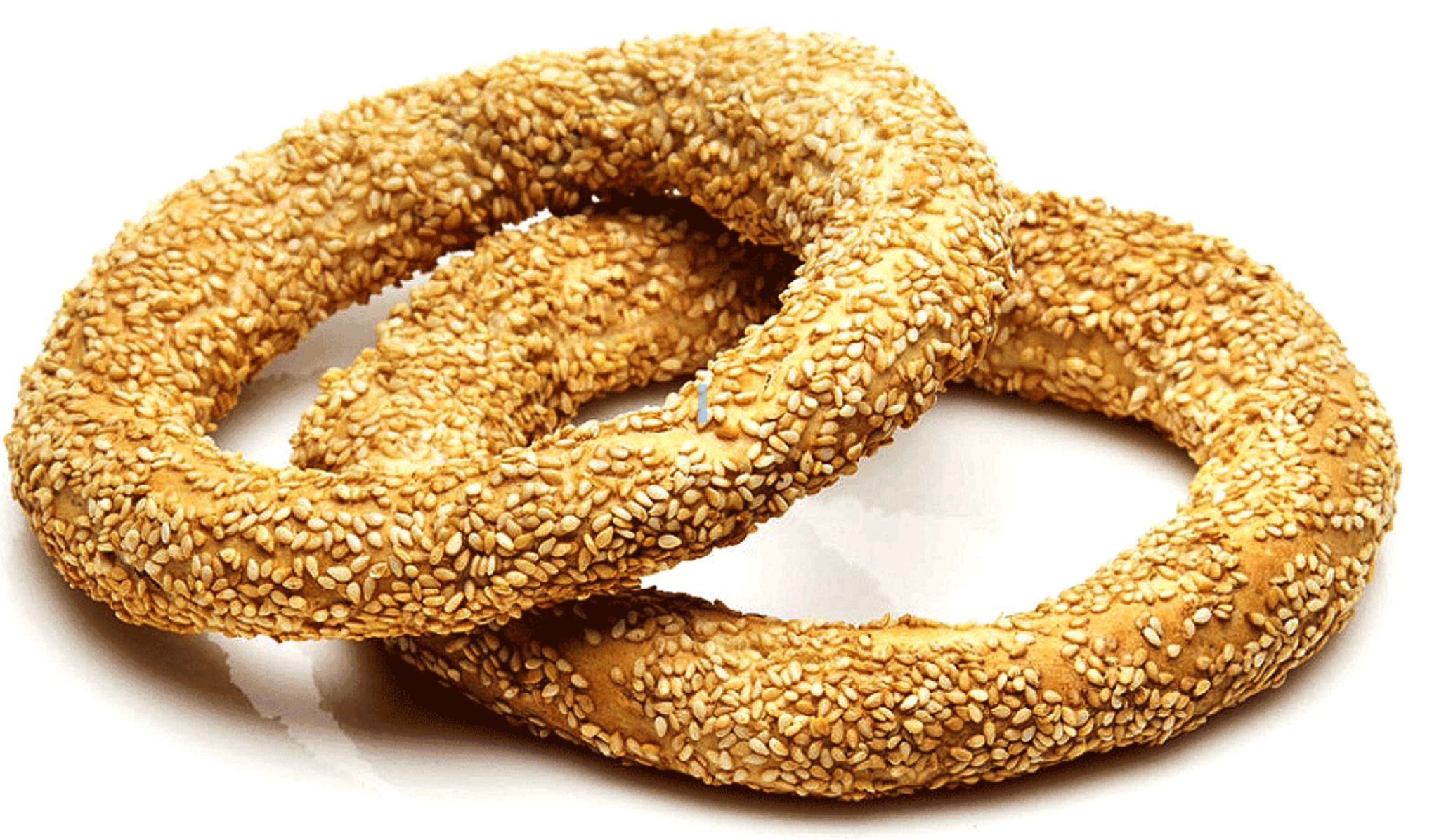
You may think of it as the Greek begel or the Greek pretzel, but it is neither. It is a special kind of bread with sesame, and you can find it on the street sold by stands as the one below and on bakeries:
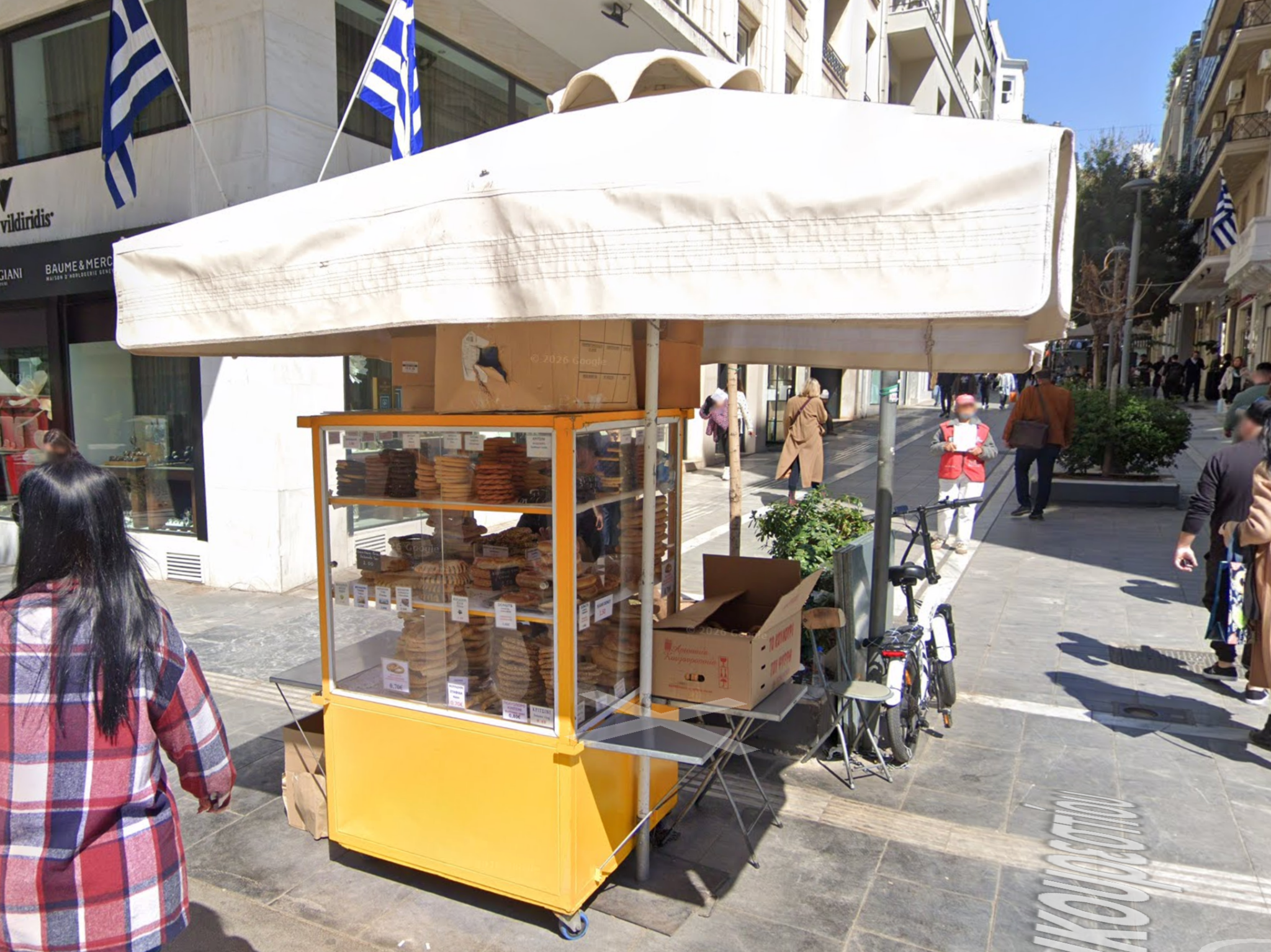
You can buy it of 0.6 – 0.8 euros and can give you the energy to get going. Some stands sell it with La vache qui rit cheese (especially in Thessaloniki). There are variations in bakeries where they sell it stuffed with cream cheese and turkey.
Pro tip: In Psyrri, the party neighborhood of Athens, after 01:00 am, you can go to the “Koulouri of Psyrri“, the bakery that is the main producer that supplies all the kiosks of Athens (notice the box on the photo above) and buy it warm as it gets out of the oven. Balances excess alcohol consumpion very well 😉
2. Fried zucchini
If prepared properly, one serving is never enough.
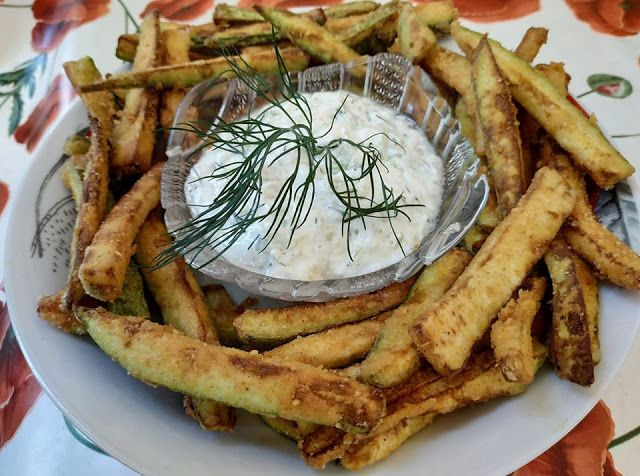
Prepared properly means that the sliced zucchini is first immersed in beer then in flour and then fried in very hot oil. The result is crisp, delicious appetizer:
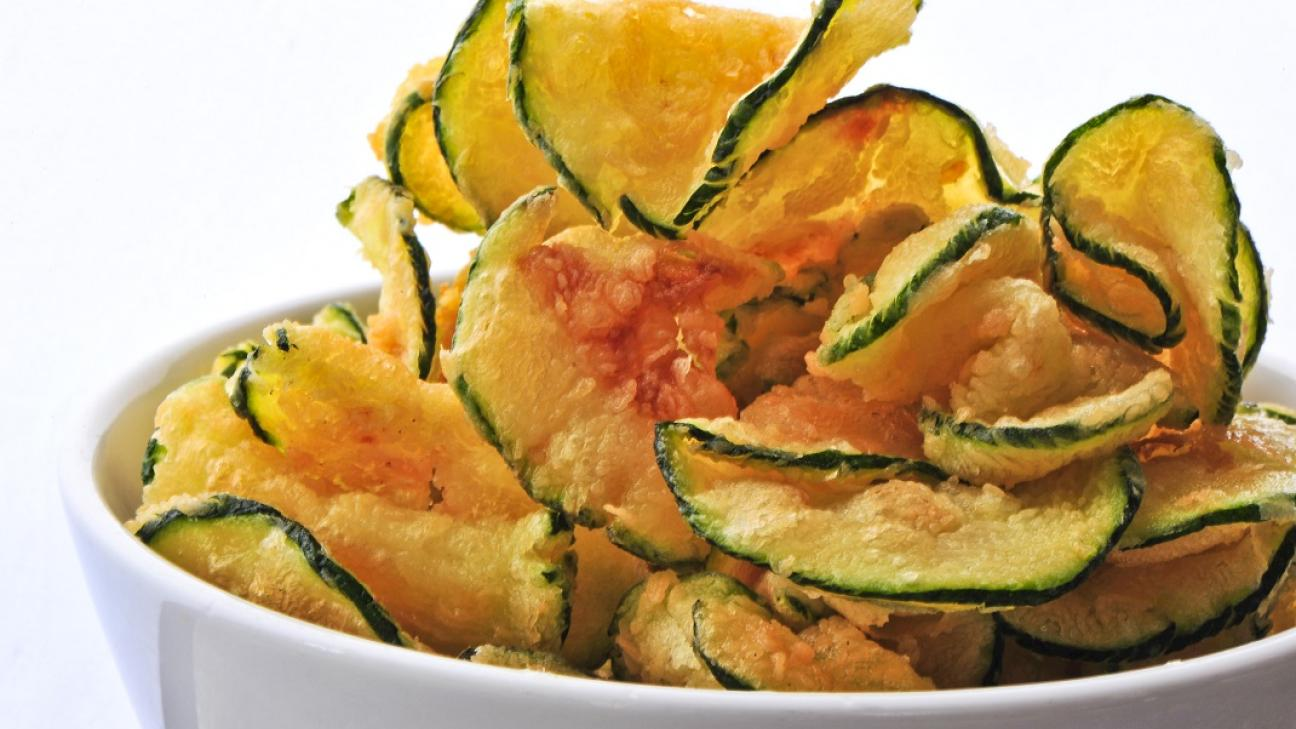
This above is what the good stuff looks like.
Not like this:
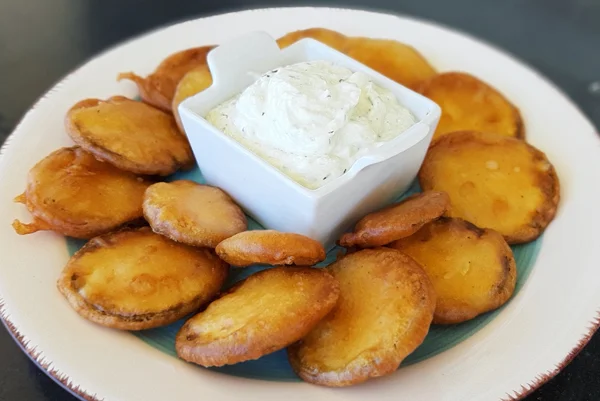
Here you have too much batter.
Always, *ALWAYS* order tzatziki also when you order fried zucchini. Then you get one fried zucchini slice, with your hand, dip it in tzatziki and … perfection!
Some restaurants prefer to have the zucchini made in sticks rather than slices. Avoid that. You want the maximum ratio of surface to volume, and slices achieve that maximally!
3. “Yemista” or “Gemista”, = stuffed tomatos and peppers with rice.
This is it! The ultimate summer mediterranean dish that you can not miss.
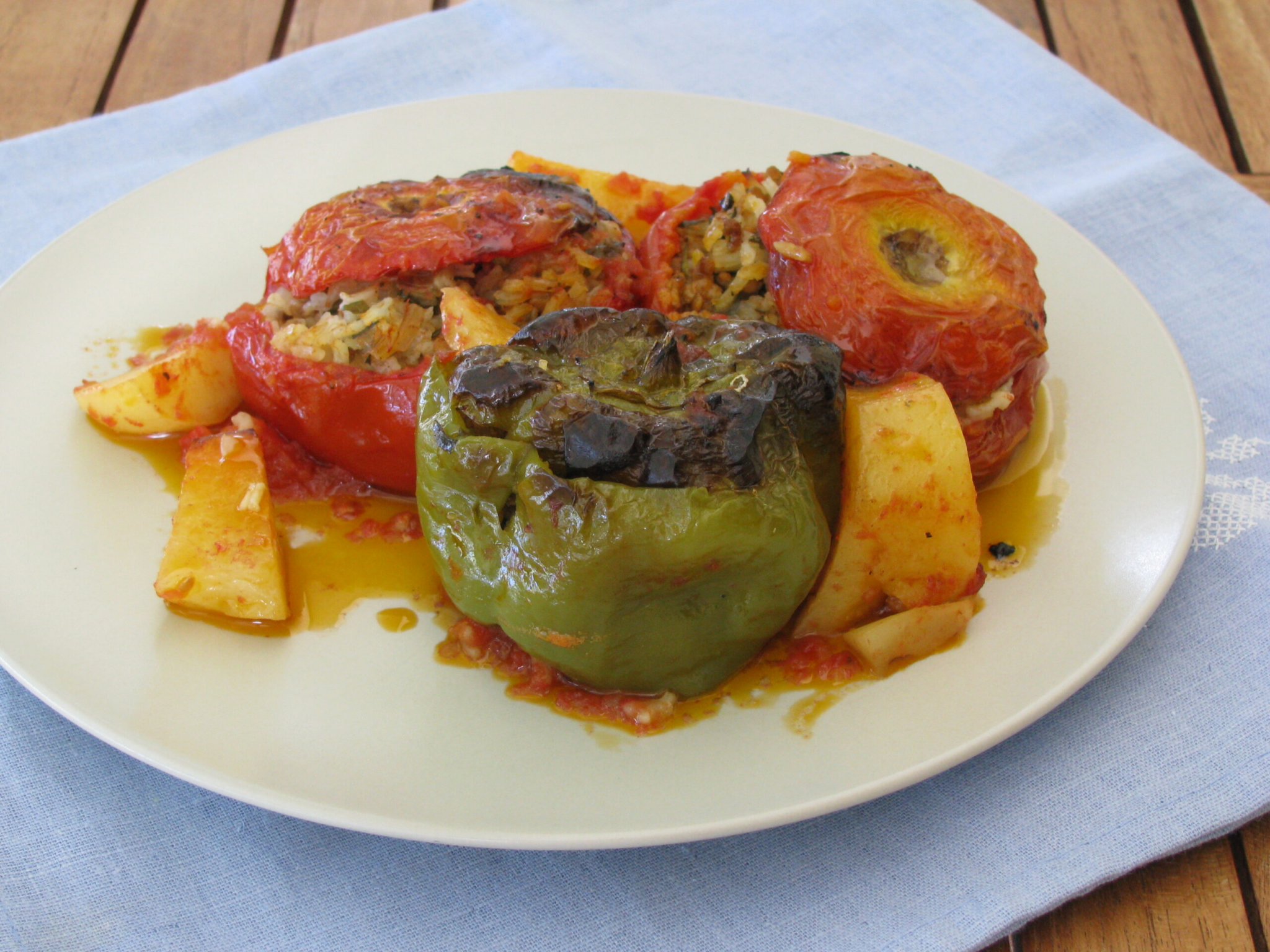
Fresh tomatos and peppers are stuffed with rice and herbs, cooked in the oven with potatos and some oil and tomato sauce.
Best eaten cold in my opinion, but opinions vary, here is the best way to enjoy this dish:
First, when ordering Yemista, always, *ALWAYS*, order a serving of feta cheese with them. This must come with olive oil on top of it and some oregano in most cases:
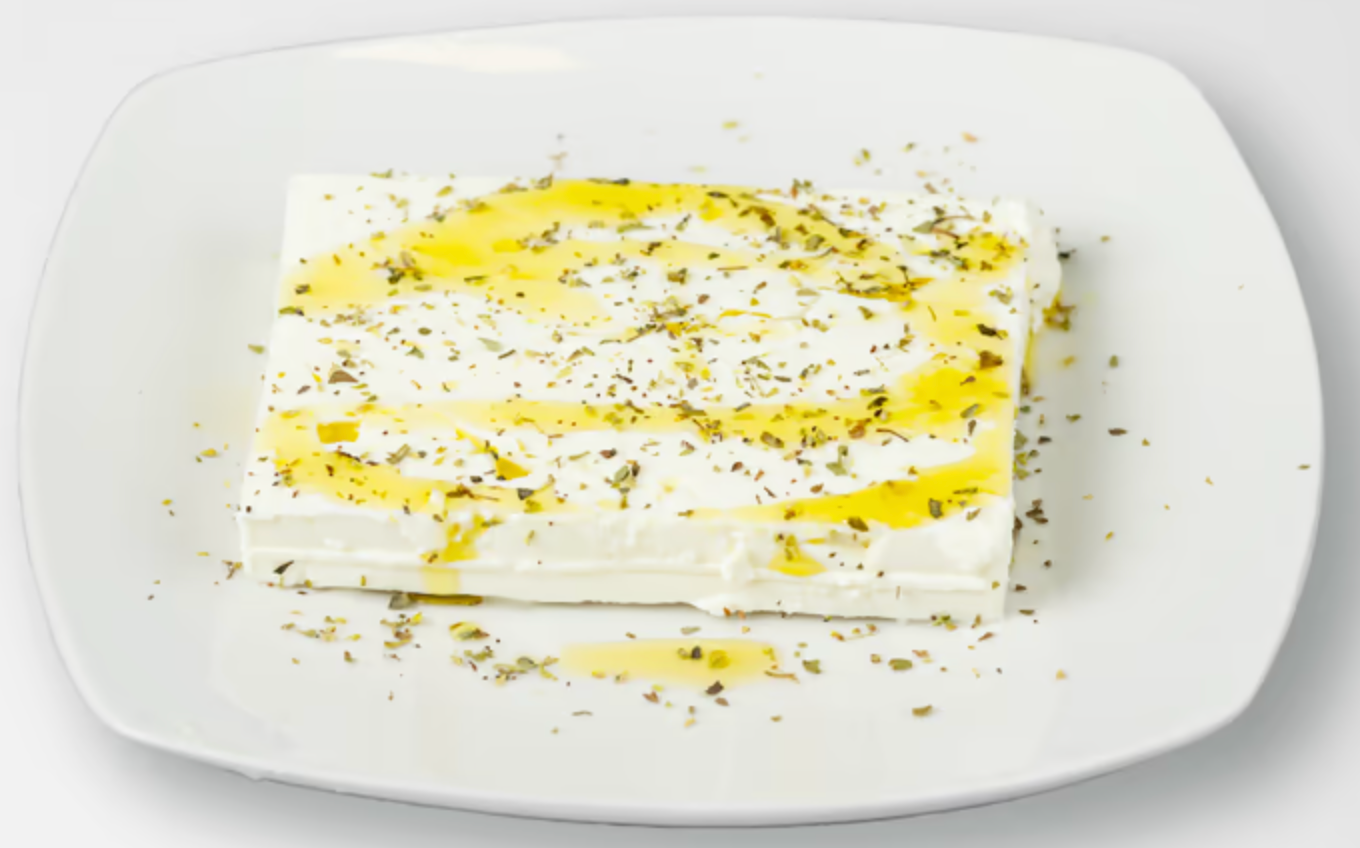
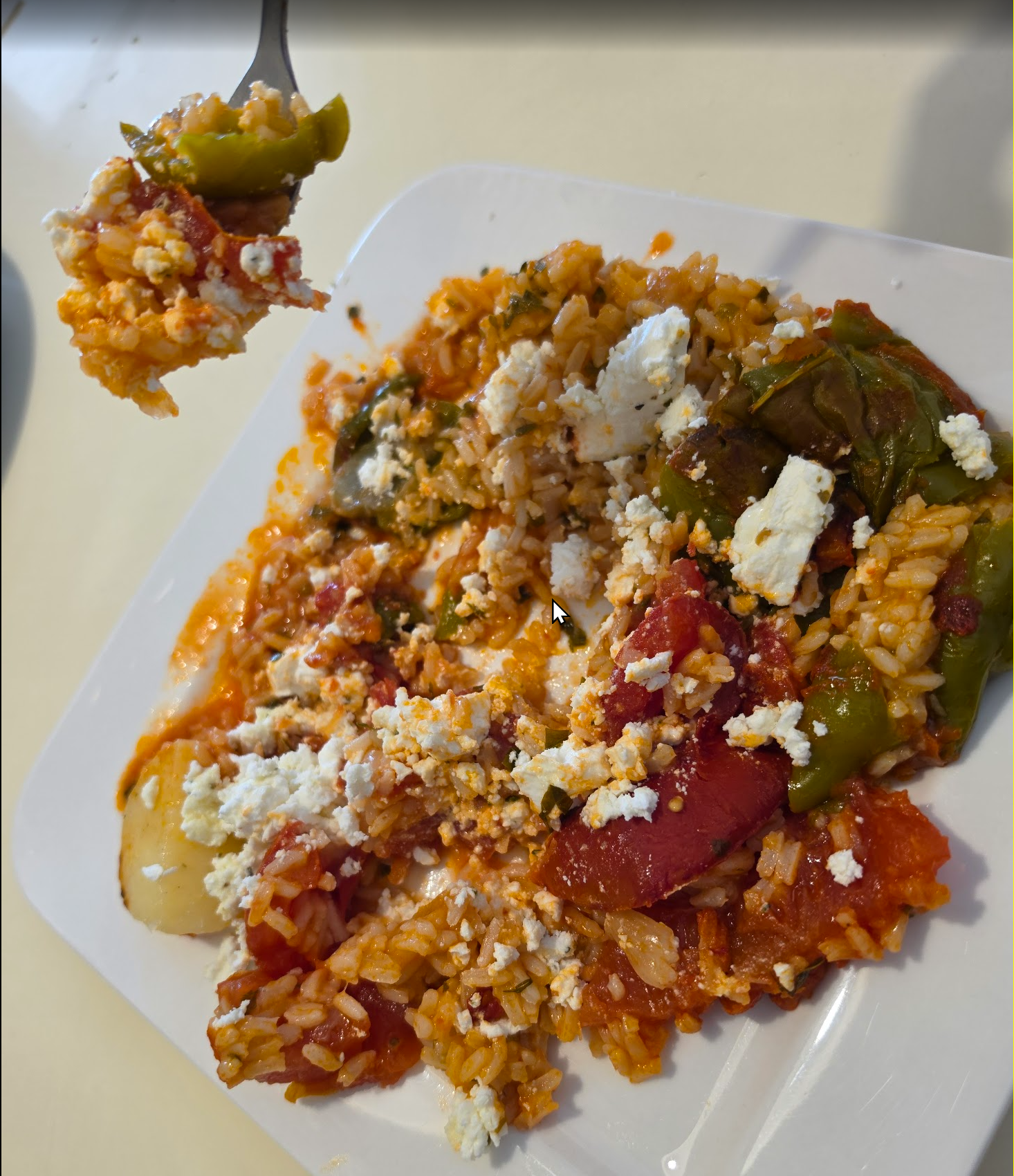
When the Yemista arrive, (Yemista is plural), first you admire the presentation ,like the photo above, then you “cut” them, then you smash the feta cheese with your fork and then you put the smashed feta on top of the cut Yemista.
Allow me to demonstrate:
This is the end state. You do not mix them. You just get Yemista with the feta on top with the fork and enjoy!
4. Melitzanosalata (aubergine salad)
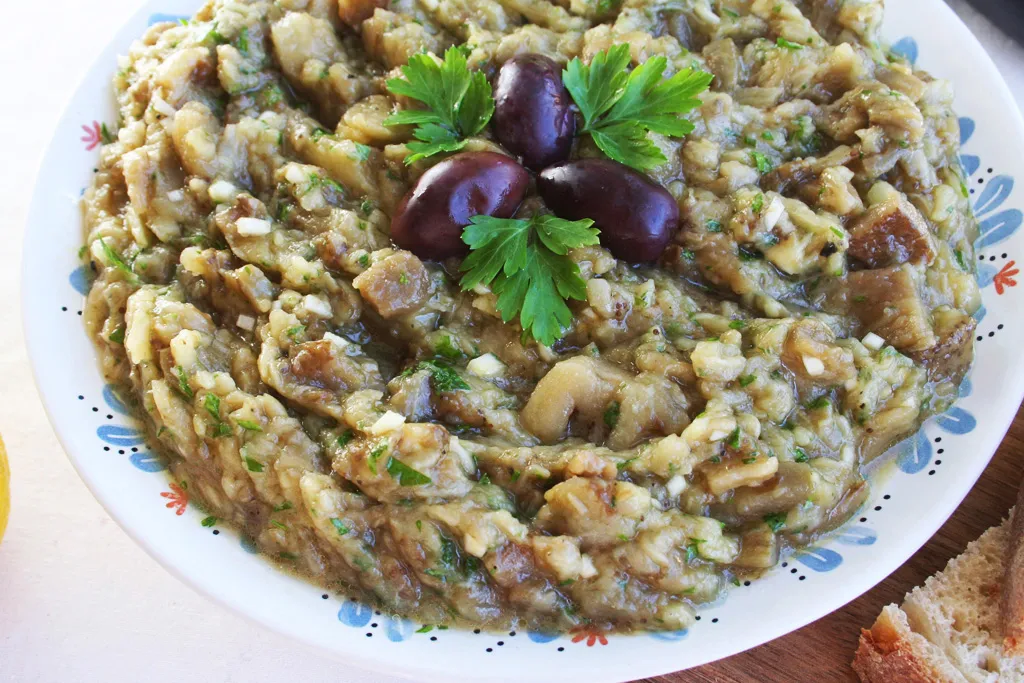
There is wide variation about how this dish is prepared and how it looks and you run a 25% chance that what you will be served will not be what I would rate as “the good stuff”, but take your chances here, really.
This is melitzanosalata proper:
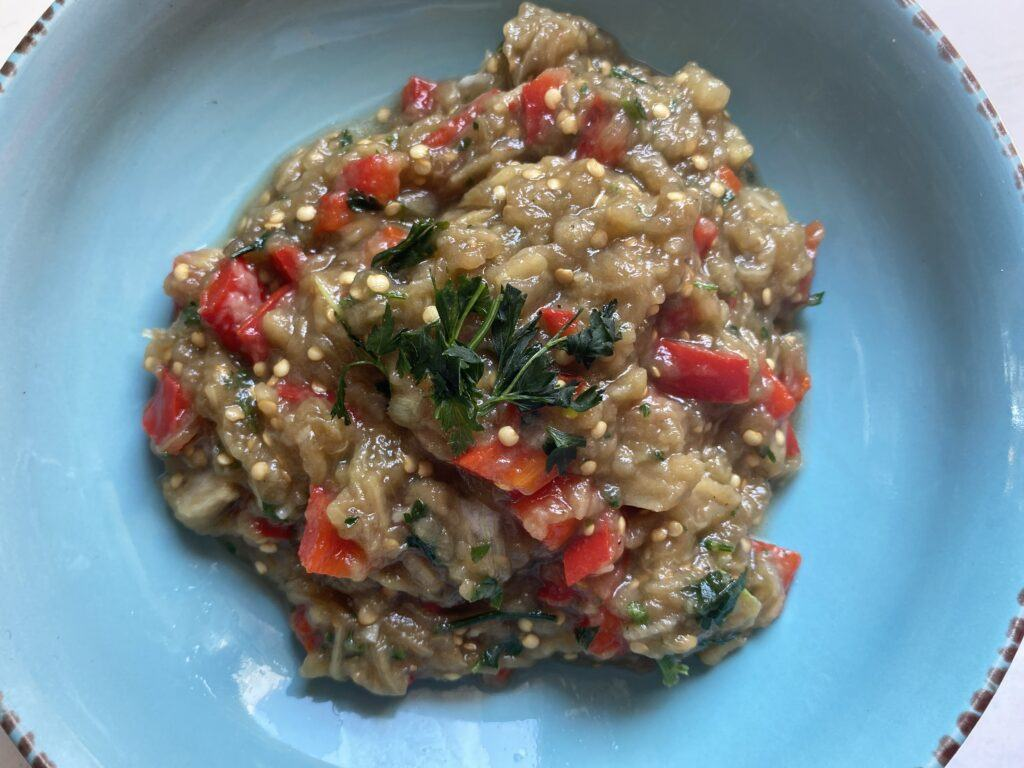
This is the “Aghion Oros” (meaning “from Mount Athos“, the monasteries-only-no-women-allowed-in district of Greece) variation, quite good if they are good at making it. You may also see it as “Aghioritiki” in menus:
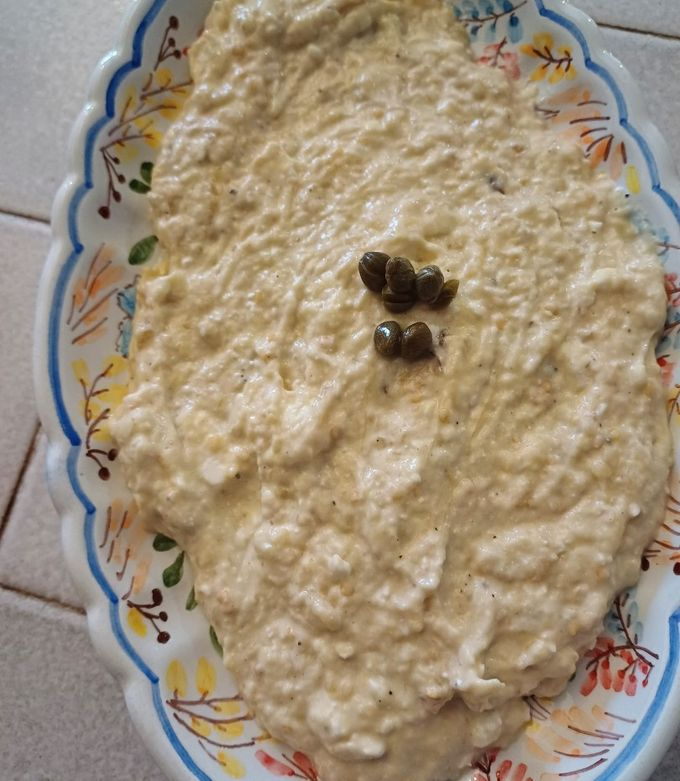
Then, there is this crap, with mayo, a hard NO!:
Usually but not always aubergines are smoked first before cooked and this gives the dish a very characteristic flavour. Garlic should be part of a good melitzanosalata too, be warned!
5. Dakos (or Ntakos)
Everybody knows “the Greek Salad” or “Choriatiki” as we call it, meaning “from the village”, but much fewer visitors know and appreciate the Dakos salad, a Cretan distant variant:
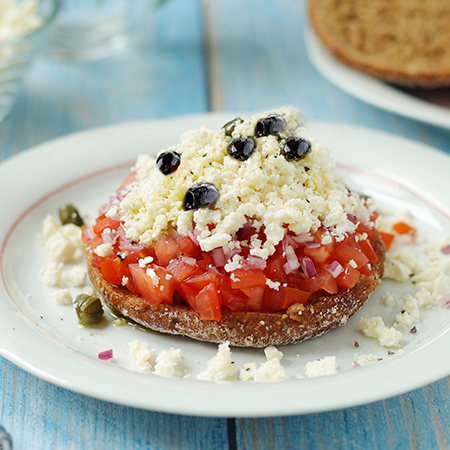
Rye rusk on the bottom, fine-chopped fresh tomato on top of that and then grinded feta on top. Extra-virgin olive oil is a must. Sometimes served with a few olives and caper. Served chilled. My mouth gets waterry as I think of it 🙂 A delicious summer salad, that really showcases the fresh produce that is widely available everywhere you may go to eat. You must try it.
6. Pastitsio
It was when I was in my 40s that I realised that the Pastitsio that I loved was NOT an italian dish but rather a local Greek dish!
The ingredients may deceive you too: Pasta, minced meat, bechamel sauce on top, black pepper, clove to add this particular taste:
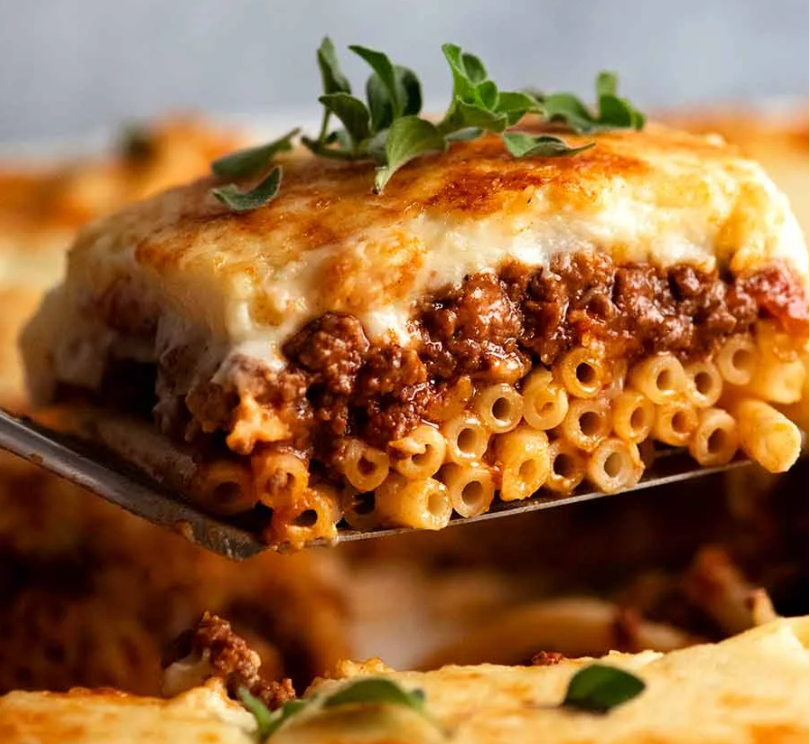
Better than Lasagna, and may Andrew Goff forgive me, I tried 1800, and Ι liked it, but this is better.
7. Fasolakia Ladera
Talking about summer dishes, this is another classic!
The literal translation is “Green beans in oil”, and it is an olive oil heavy dish, but also it is a “red” dish, well prepared tomato sauce is also vital, and you will get some potatos and sometimes a few pieces of zuccini.
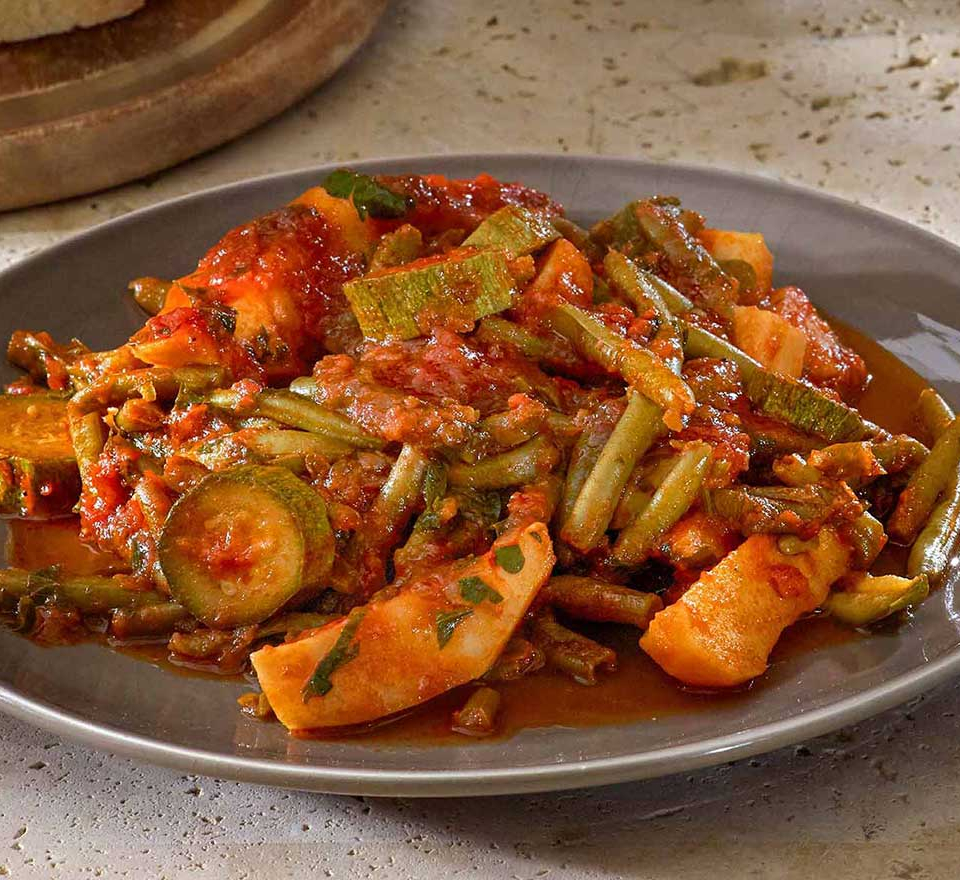
In non-urban Greece, you would cook this dish with products that you would grow in your back yard during summer. My father in law had such a back yard “μπαξέ” (“bahce” – tourkish word for garden that produces vegetables) and during summer we always ate Fasolakia Ladera, Yemista, Greek Salad from that “Μπαξε”. Happy days.
Always, *ALWAYS*, eat them with feta cheese. Also dip your bread in the sauce and oil. This is how these “Ladera” dishes are meant to be savoured!
8. Ampelofasoula
A non-oily, non-red spin on the previous dish, made with a special strain of green beans, Ampelofasoula (vine-bean salad) is a dish that you find in the islands but is also very popular in mainland Greece
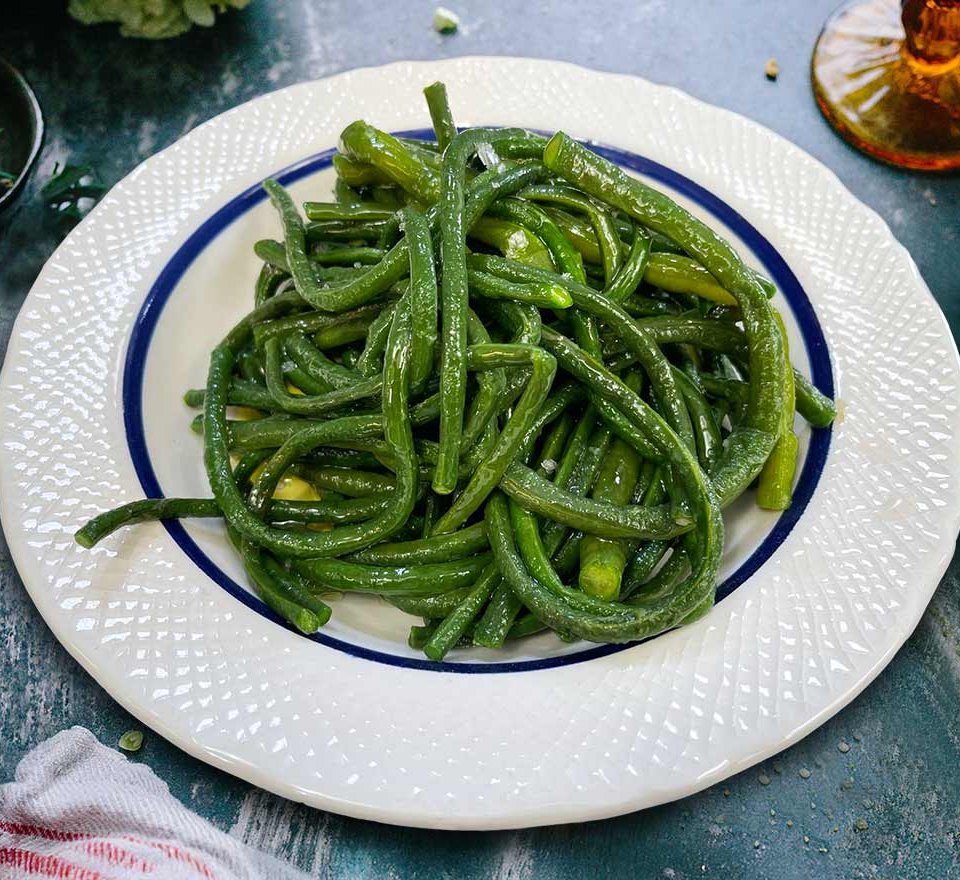
Go hard on the lemon here. I see the dish and I think of summer! They better be served chilled.
9. Fried Potatos with tyrokafteri dip
This is something me and my family does always and we think more people should do too (many do actually, I wonder why not all).
You must order tyrokafteri, which is a spread-like side dish, available in most places. Means spicy-cheese literally. So, chilli peppers are involved, that give the characteristic pink appearance. There is a variant where the chilli peppers are green, and the dish is white. I prefer the pink one:
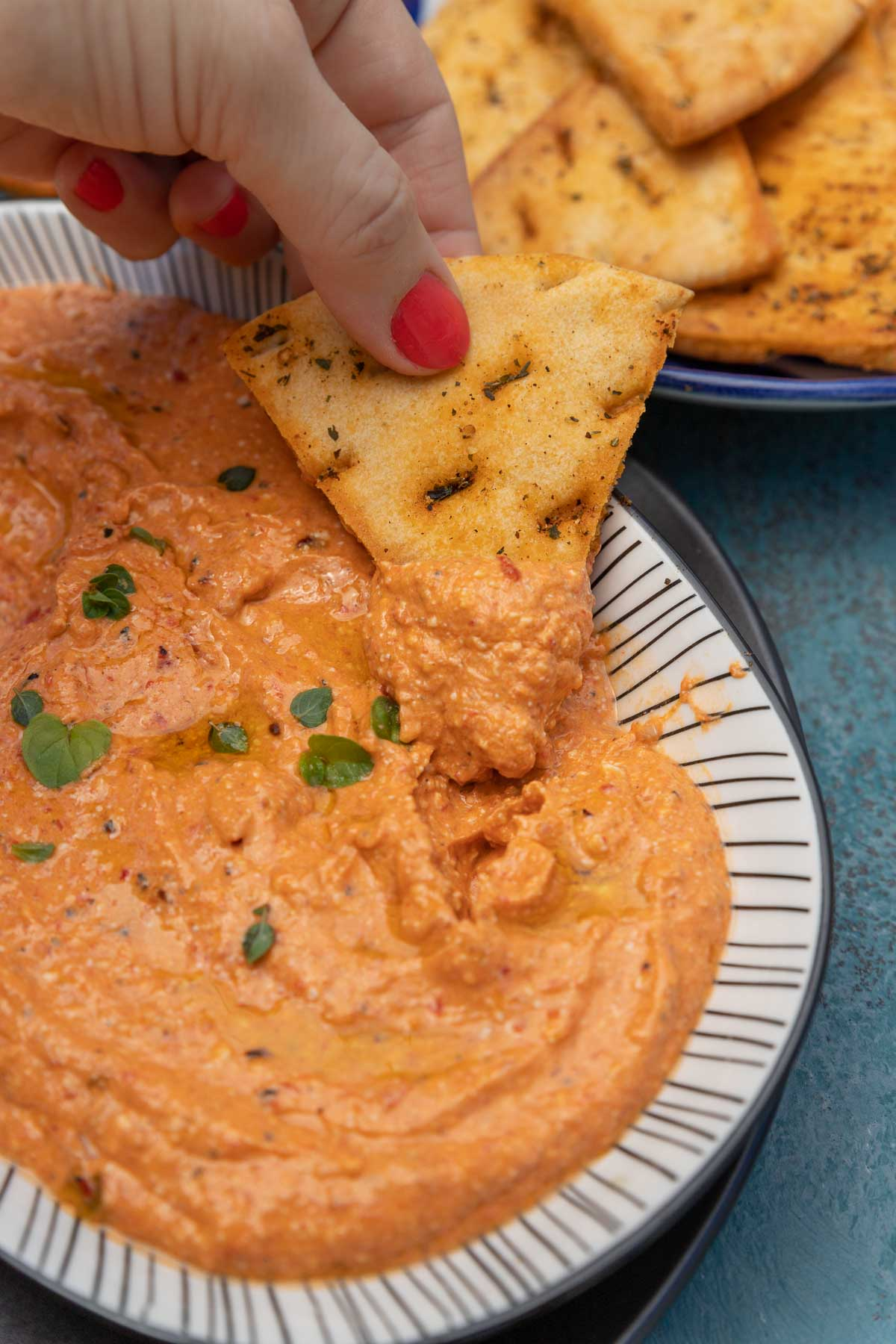
They serve it with pita or bread, and you use the pita to pick it up if you want, but here is my…
pro-tip: Dip your fried patatos in tyrokafteri and pick it up and eat them together, and thank me later!
10. “Lemonato Kotopoulo sto fourno me patates“
This is a mother-dish, what we call “σπιτικό” = “of the home”:
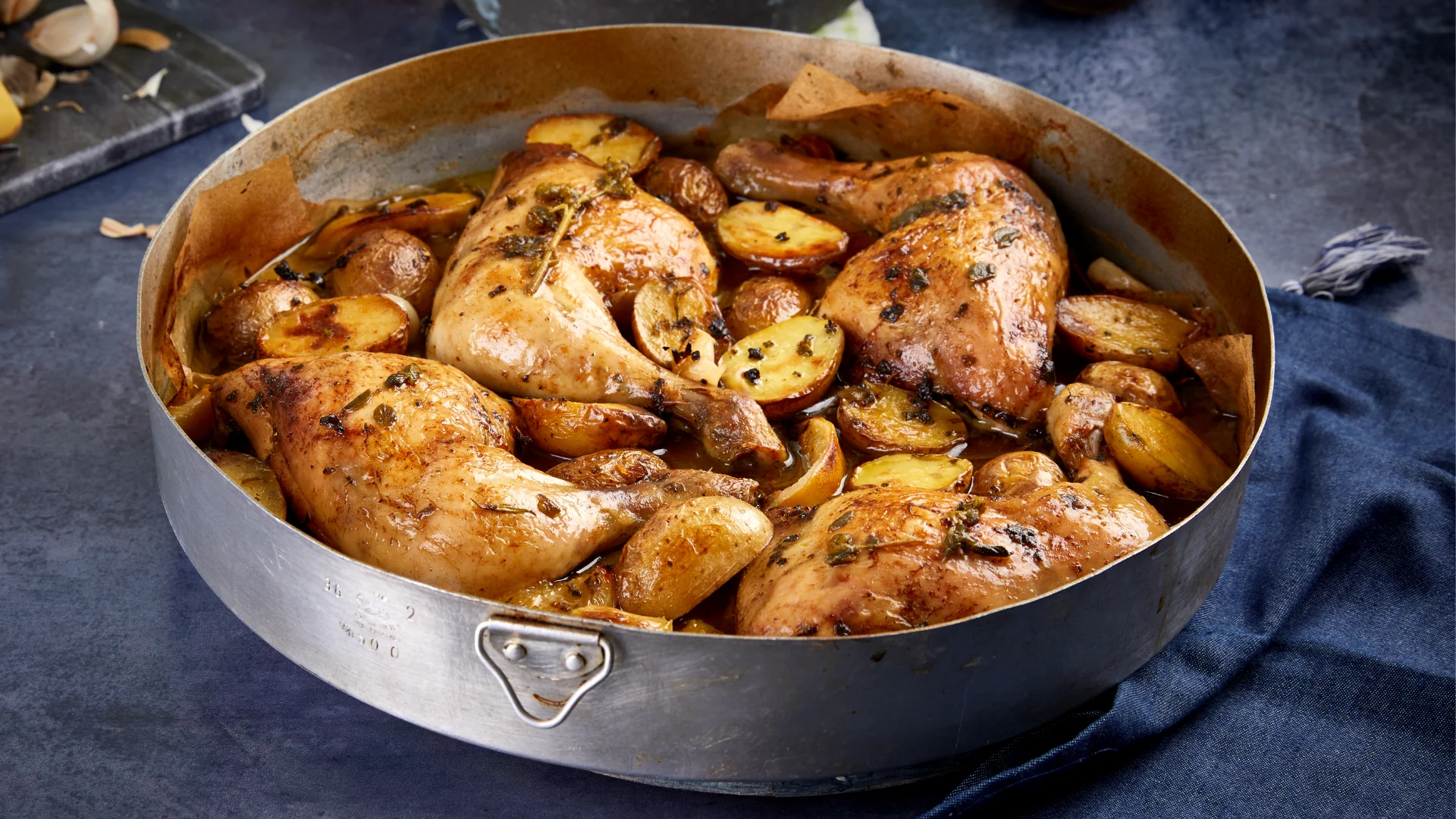
The chicken is slow cooked in the oven with lemon sauce and potatoes, until the potatos are melting when you touch them. The flavour is very particular and haven’t found something similar elsewhere in the world, so you should try it while you are here. I enjoy feta with it, but it seems I enjoy everything with feta, so…
11. “Ghighantes” (Giant beans)
Oh man, I love Ghighantes. Ghighantes means “Giants”, derived from the greek word “Giga” that means huge.
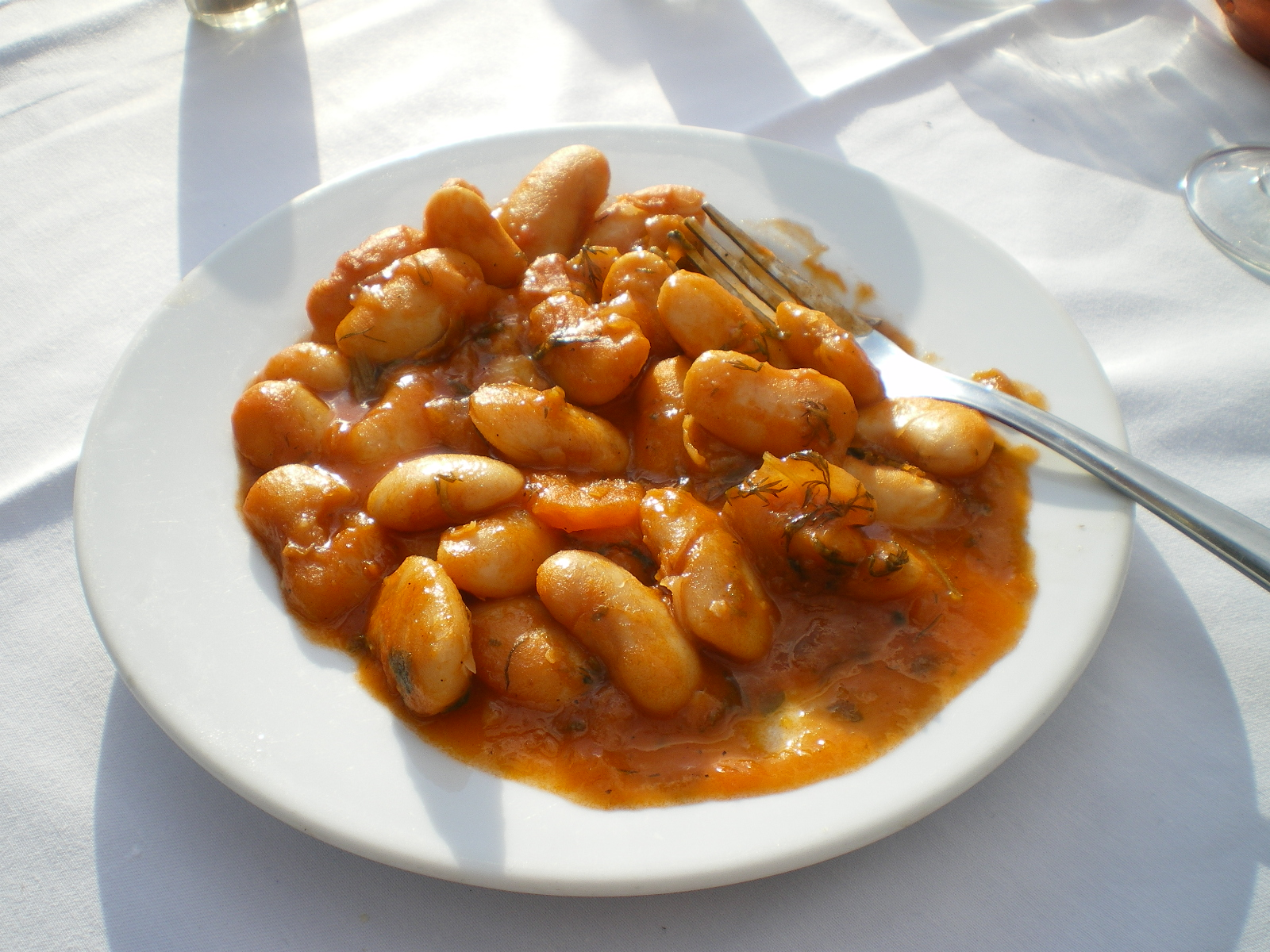
Most times it is offered as a side dish in restaurants, but it is a main dish in Mageireia (cook shops), and in my home, it is delicious in its tomato sauce and the carots that are often cooked with them. I enjoy to also eat them with sausage bites and some restaurants cook them together. Again, … eat them with feta, and dip your bread in the sauce fot the full experience. (disclaimer: some gas may ensue :))
12. Dolmadakia (stuffed leaves)
It has gotten quite well known I think, but still deserves a place in this guide.
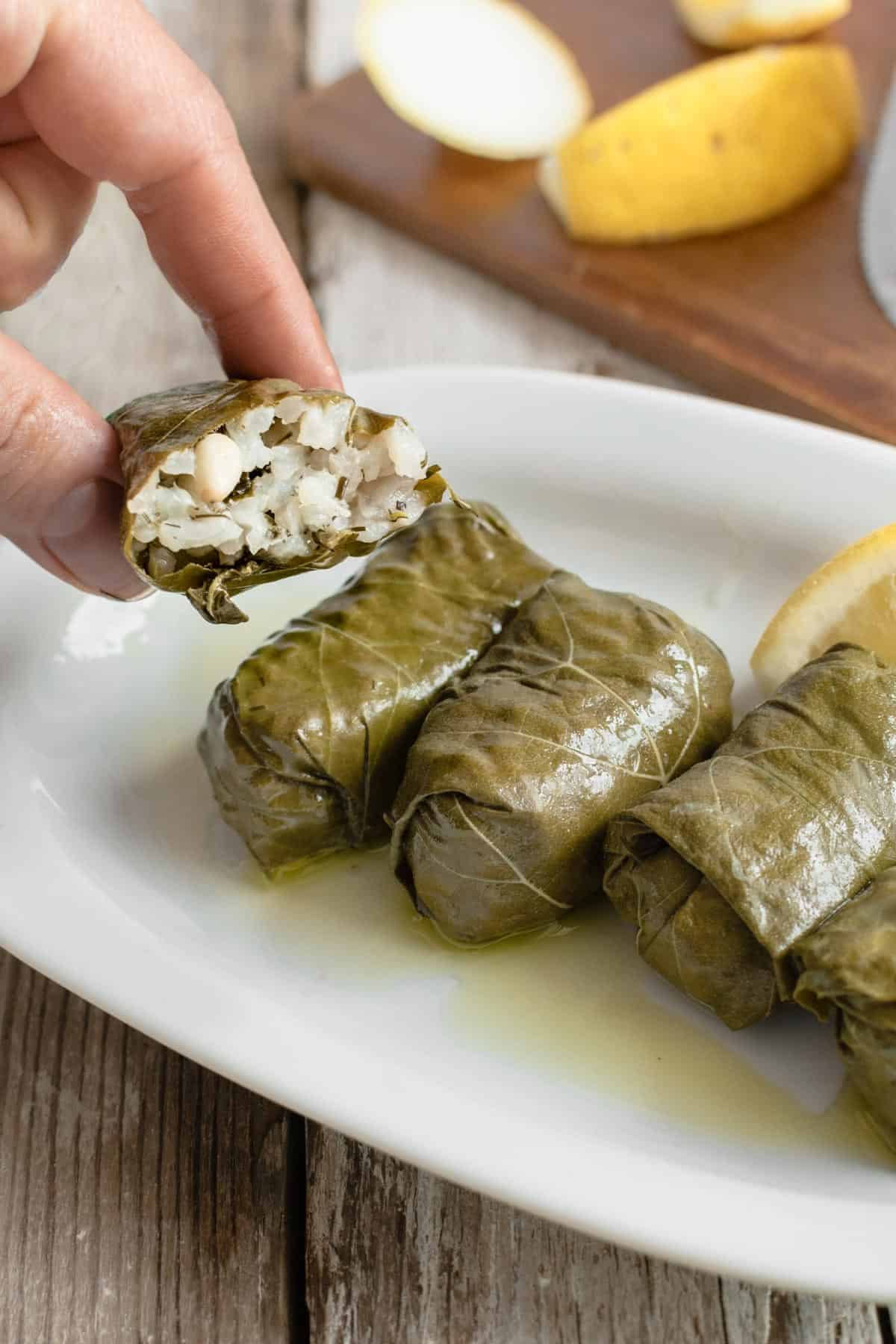
It is a dish that takes loooooots of patience to prepare, and so, when you present it to guests they really appreciate it. It was one of the specialties of my mother, she made them really thin (even more patience required).
There is a variant with minced meat, but do not go for that. Drop lemon on top and enjoy, it is a summer dish because it is then when the vine leaves are avaialble to be picked and cooked. Often they are served with a yogurt based dip, not tzatziki though as garlic works against their flavour. Dip them in that dip if the are served with one. Drop some lemon on top of them. Enjoy!
13. Stifado
On the absolute top of my list of the most tasty foods of the world, everywhere, always.
It is a rare dish. It takes *extreme* patience to prepare, so it is served in special occations. Few restaurants offer it. Haunt for one!
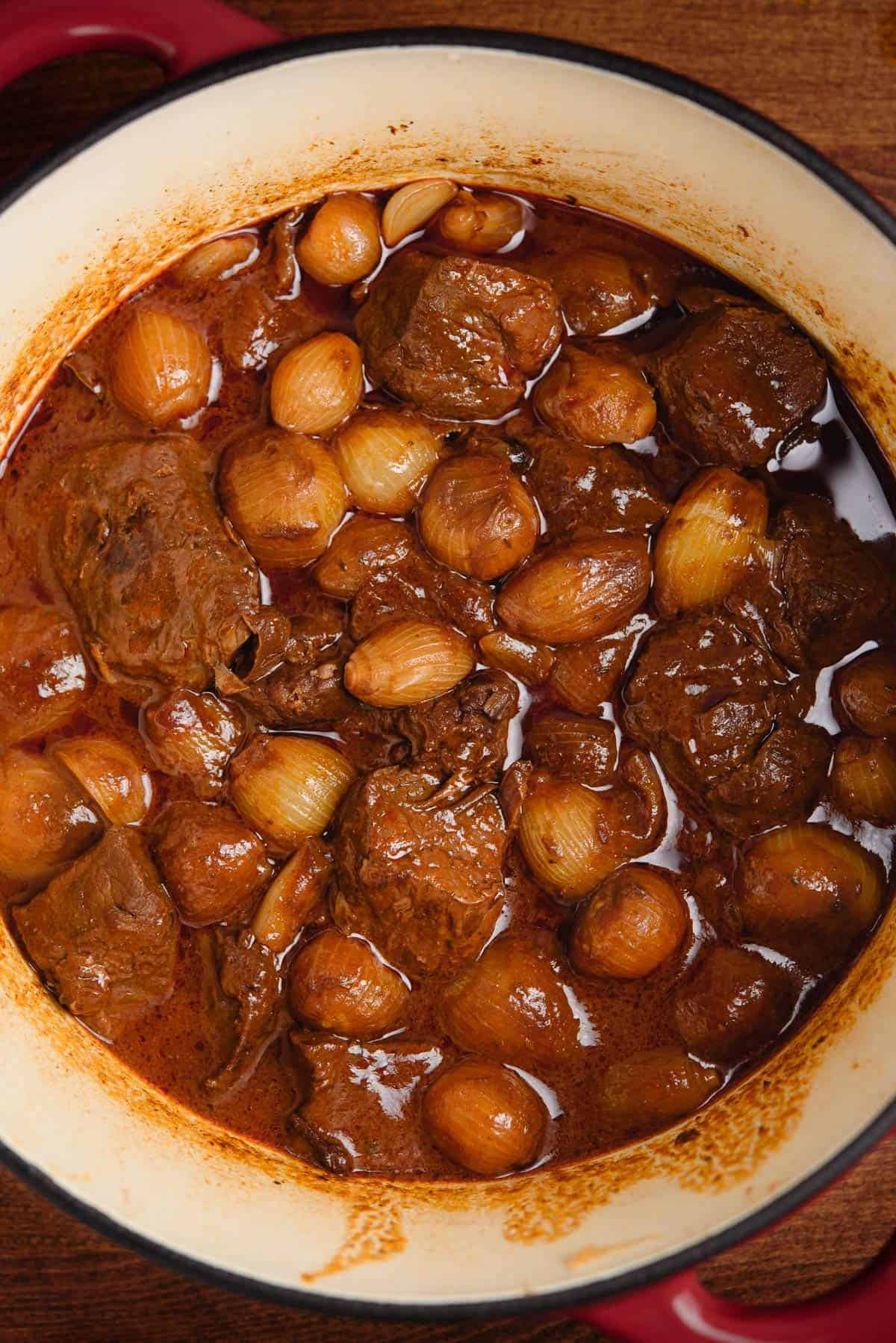
Central to the dish are the dwarf onions. They give all the sweet flavour to the meat that is stewed with them, traditionally this was Hare or Rabbit (sorry), but commonly now it is prepared with tender veal and is infused with warm spices like cinammon, allspices, cloves. If you find it anywhere, do not miss it!
14. Makaronia me kima (pasta with minced meat)
An ultimate favorite on all households in Greek, this dish has been the “solution” when the mother runs out of ideas about what to cook on that day. Relatively easy to prepare, delicious, kids love it. You will love it. Not to be confused with Spaghetti Bolognese:
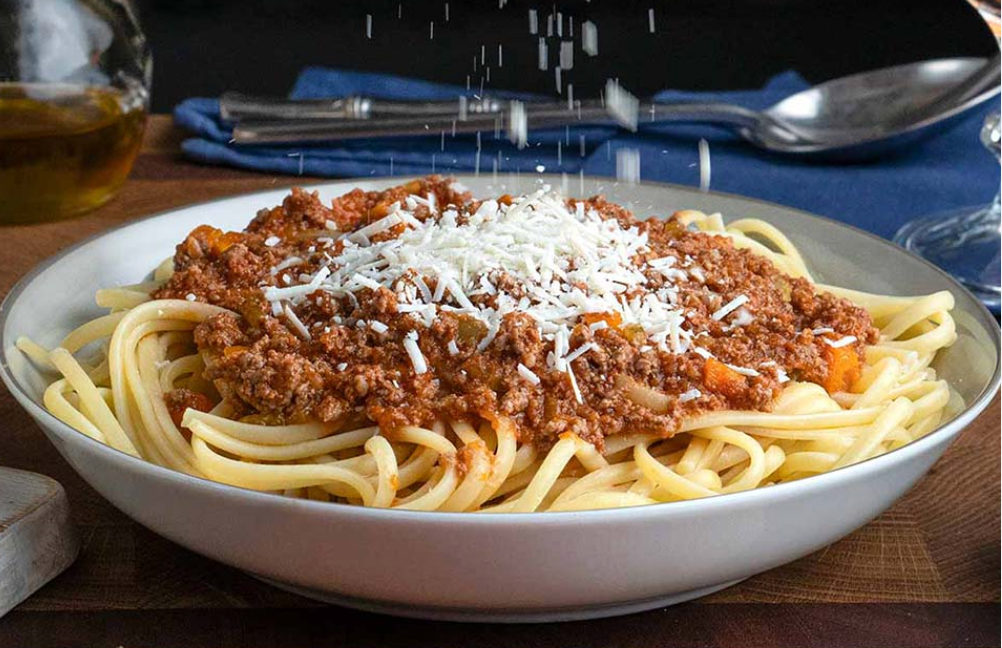
Parmezan or more commonly kefalograviera cheese (greek yellow hard cheese) is a must on top.
15. Eggs with tomato, or “strapatsada”
A regular in our house, this is an easy to prepare, low carb dish:
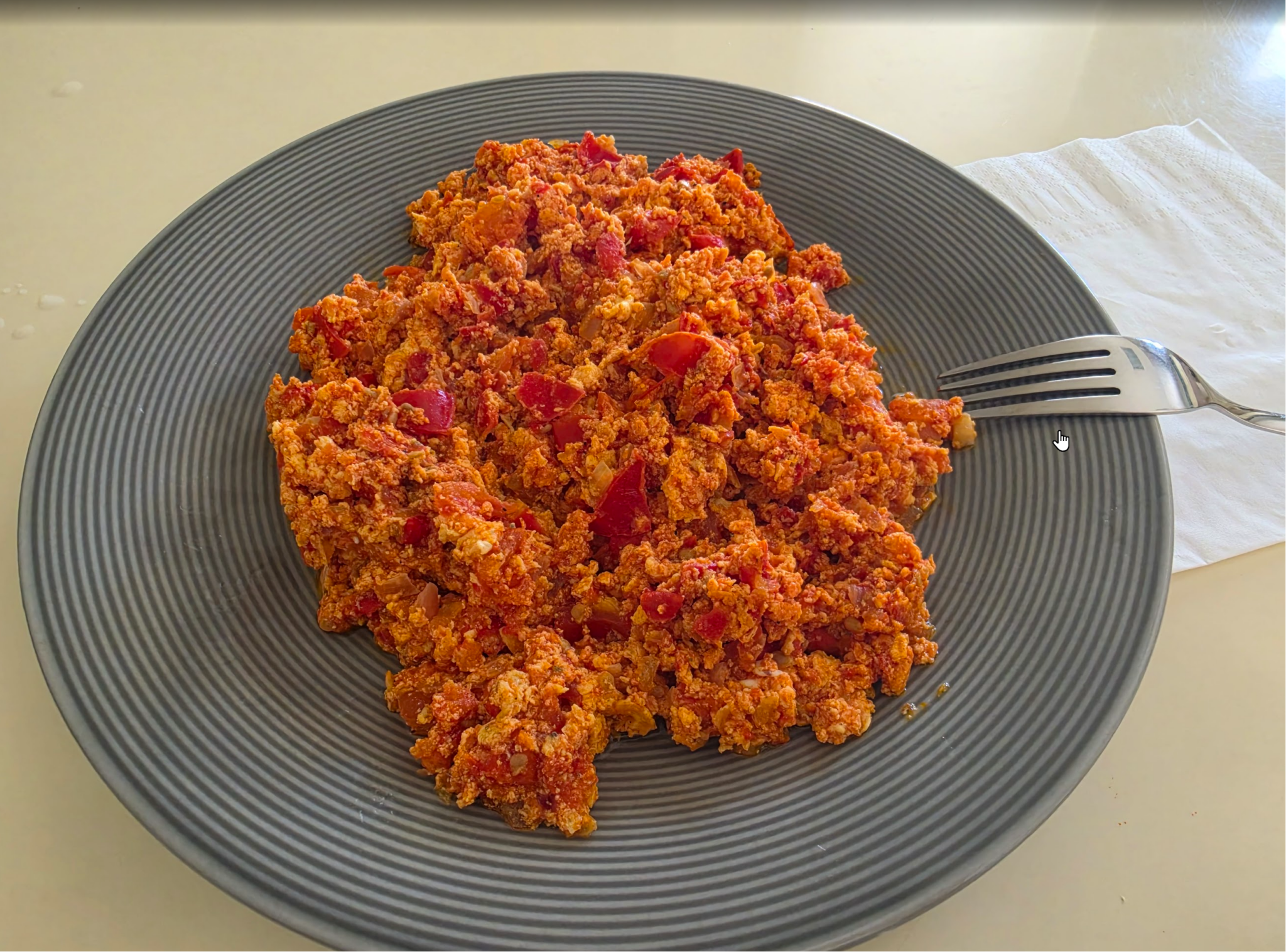
The tomato is fresh tomato, chopped at the spot, you also season some onion, you scrabble the eggs with the tomato, a few dips of olive oil, put them in the pan and rotate them, and here you have it.
Best served and enjoyed with, you guessed it, feta cheese!
16. Fakhes soupa (Lentils soup)
Referred to as “poor people’s meat” because of its nutricious value and low cost to prepare, this thick lentils soup has noumerous fans and many avid haters. I grew up from being a hater in my teens to becoming a fan in my 30s. We are literally having this dish almost every Monday in my home.
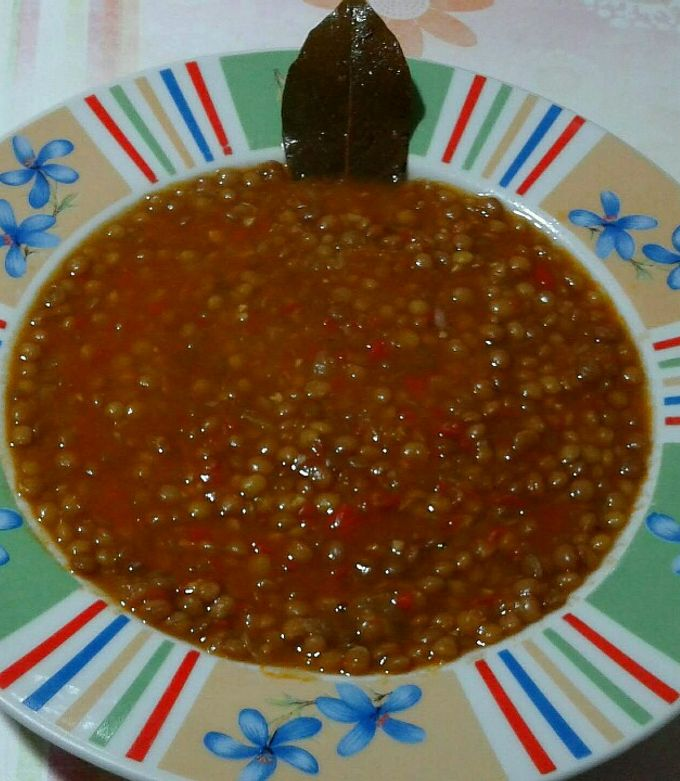
Should be cooked and served with a couple bay leaves in it and I prefer adding vinegar on top. Feta on the side is also recommended.
When we have it in our home, I also either have sausages or mackerel (or herring) on the side too. This trully completes the culliminary experience.
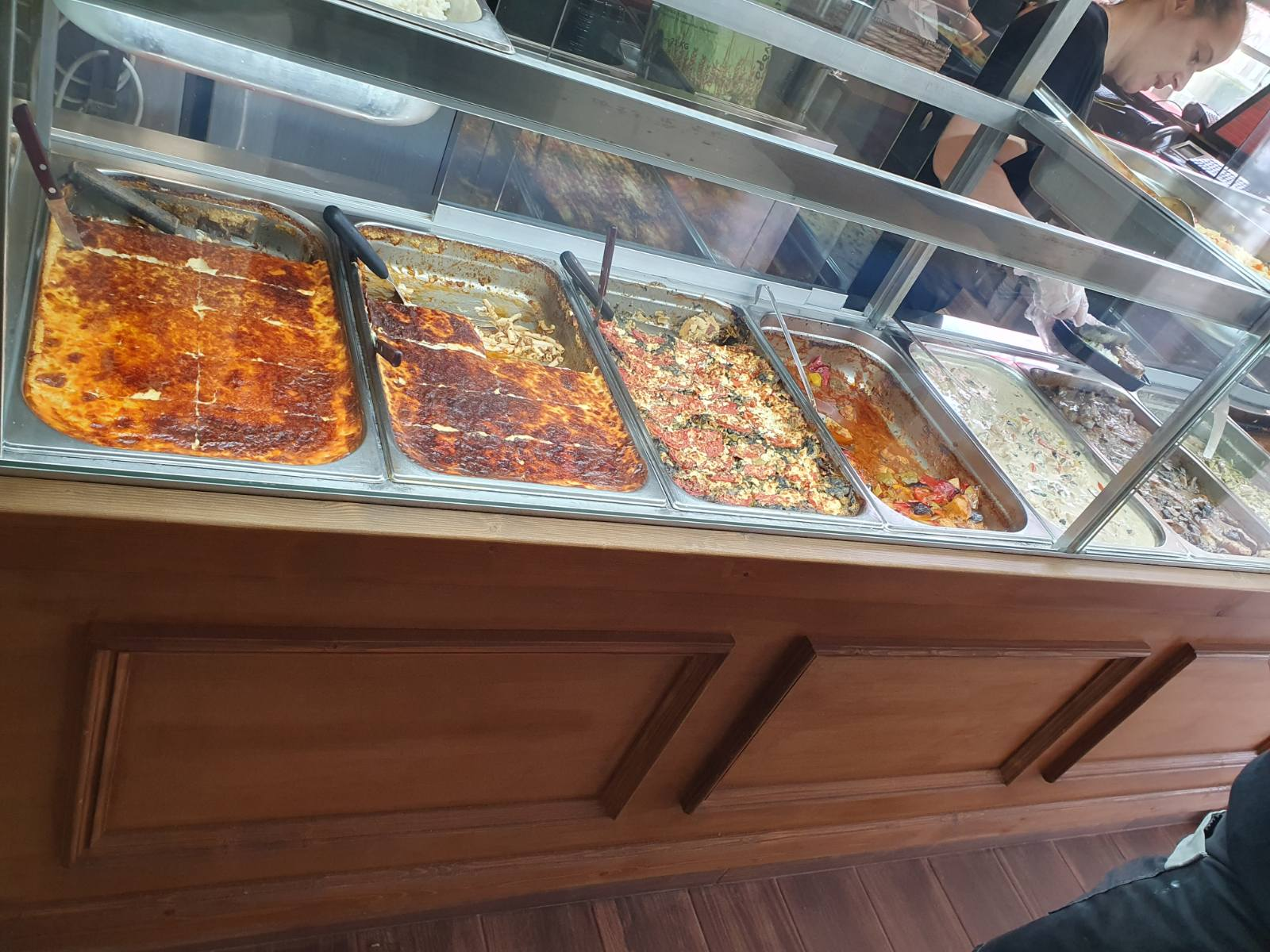
You will rarely find it in restaurants as part of the menu. Your best bet is in a “Μαγειρείο”, local neighborhood cook shops who cook what my mother would cook, for local working class people to sit down and have lunch or take away.
This is how such a “μαγειρείο” (“majhirio”) would look like.
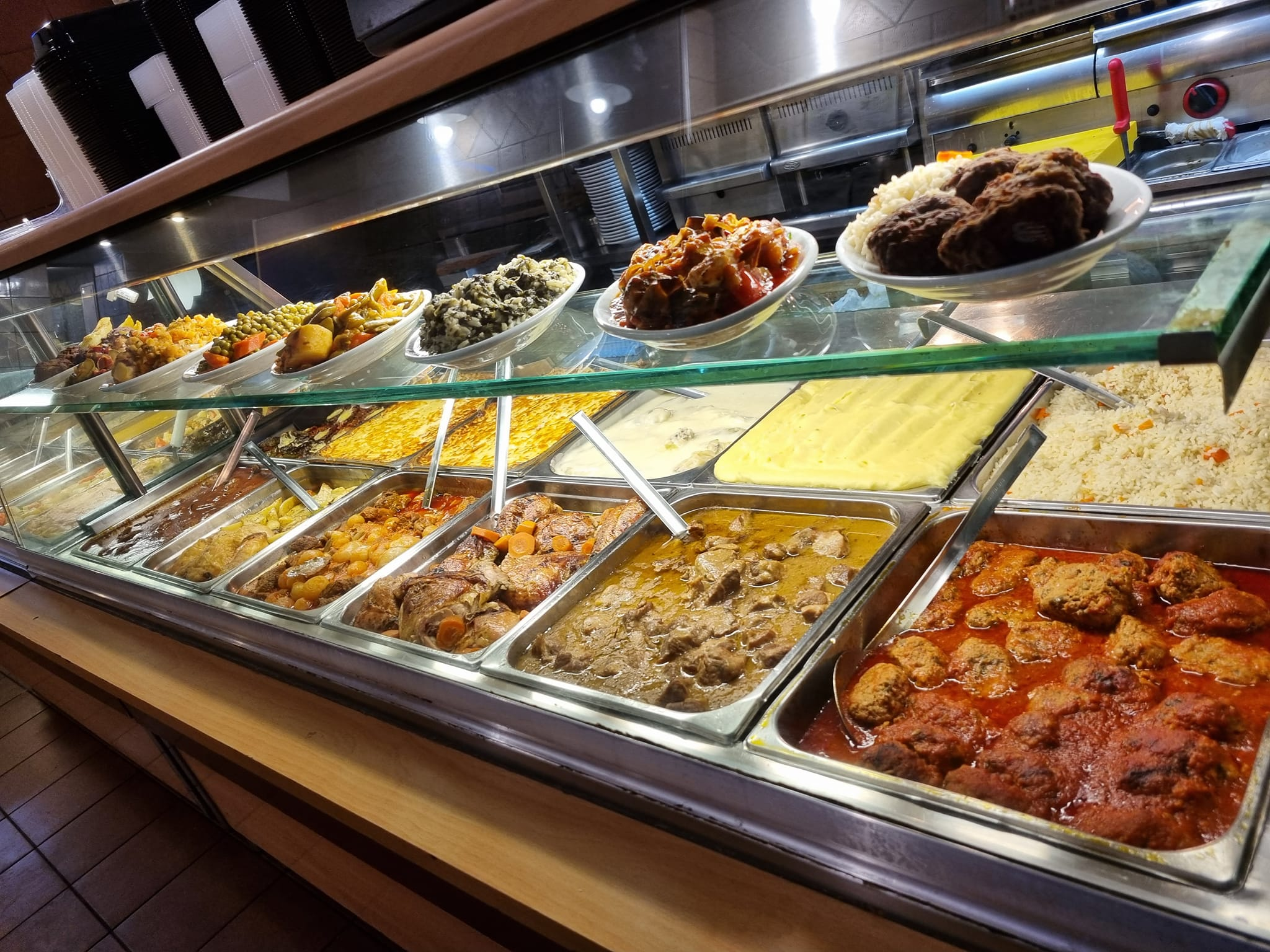
Our main WDC venue, Symposio, apart from being known as a exceptional grill restaurant, it also operates as a “Μαγειρείο” (cook house( all days of the week except Sunday. I order and eat from there frequently:
They may sneak Fakhes soupa in their rotation or the one last suggestion that follows, Fasolada!:
17. Fasolada
It is called “the National Greek Food” because it has been an accessible dish in times of very intense hardship for the Greeks, like wars, and the German occupation period. It is a thick bean soup, cooked with tomato sauce, carrots, celery.
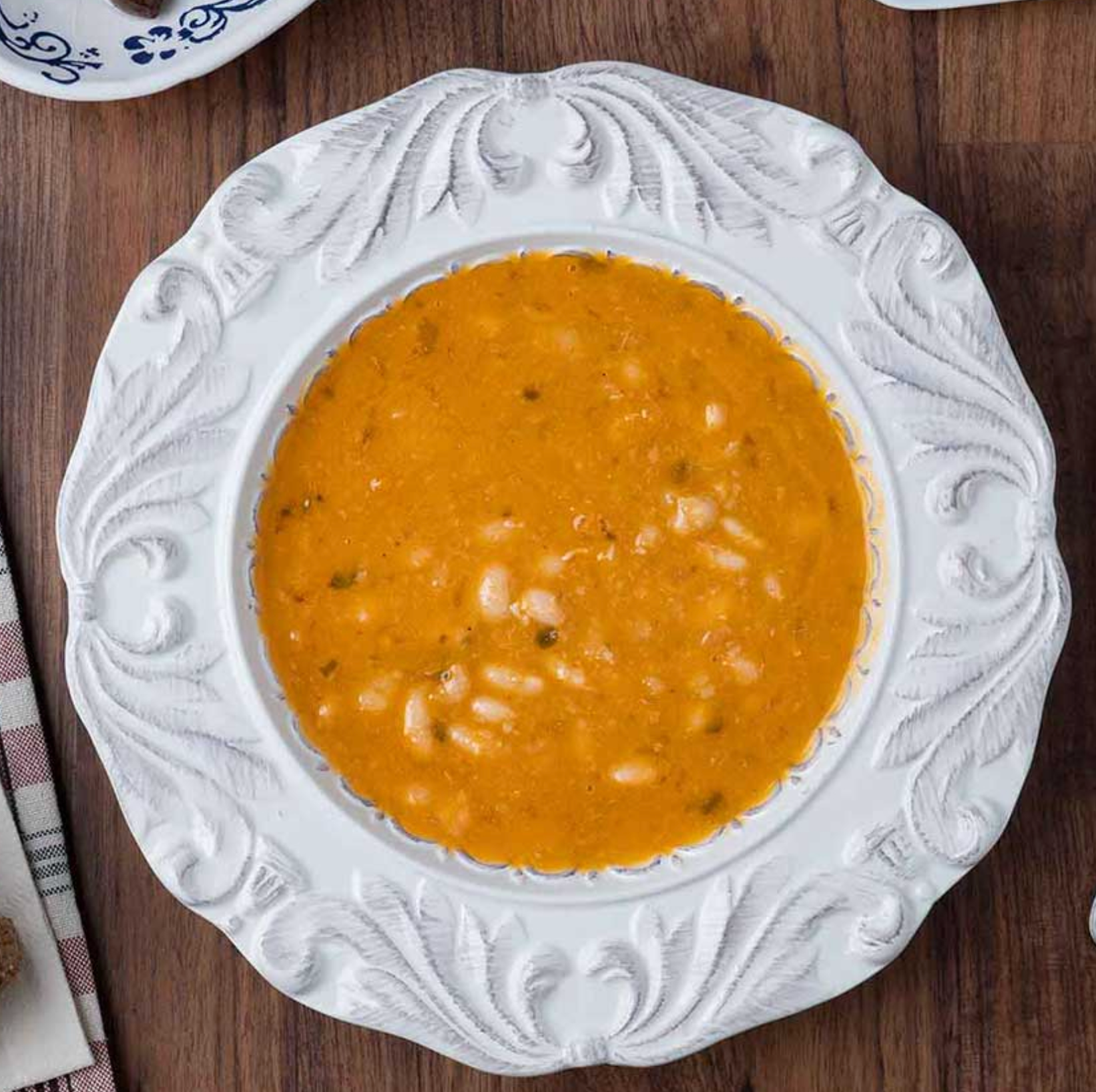
Not a high profile dish, it is associated with grind, with winter, with strife to get ahead. Powers you up. Brinks you gases (you must be warned about that!).
I like to eat it with some feta cheese on the side. Bread is a must with it, and some people dip it in the soup to eat it. You will only find it in cook shops (“mageireia”) and very rarely, almost never in touristic or posh restaurants. A dish of the people.
Epilogue
Many of those proposals are not for main dishes, but rather for “appetizers”, dishes that go “in the middle” as we say in Greece and shared by all. Greeks rarely eat at places with three courses and individual servings. Some places even do not offer main dishes at all. By sharing the food Greeks develop and deepen their relationships with the people they eat with, and when eating out like this, the bill is generally split evenly between all. This may make non-Greeks feel a bit uneasy sometimes but it is what it is. Greek society is less individualistic compared to the rest of the western countries and this is also expressed on how Greeks eat when they go out to a taverna or a restaurant.
As I said these are not the most famous dishes. You may have heard and you will surely try the “stars”: mousaka, greek salad, fried calamari, octopus, various fresh fish, souvlaki, gyros, saganaki etc.
But I believe what I listed here should be up there with these stars and I recommend you give them a chance to become one of your favorite dishes.
More info:
A small guide to very local, non-touristy things to do in Athens